Bad Bunny's Superbowl Halftime Show: A Cultural Milestone for America
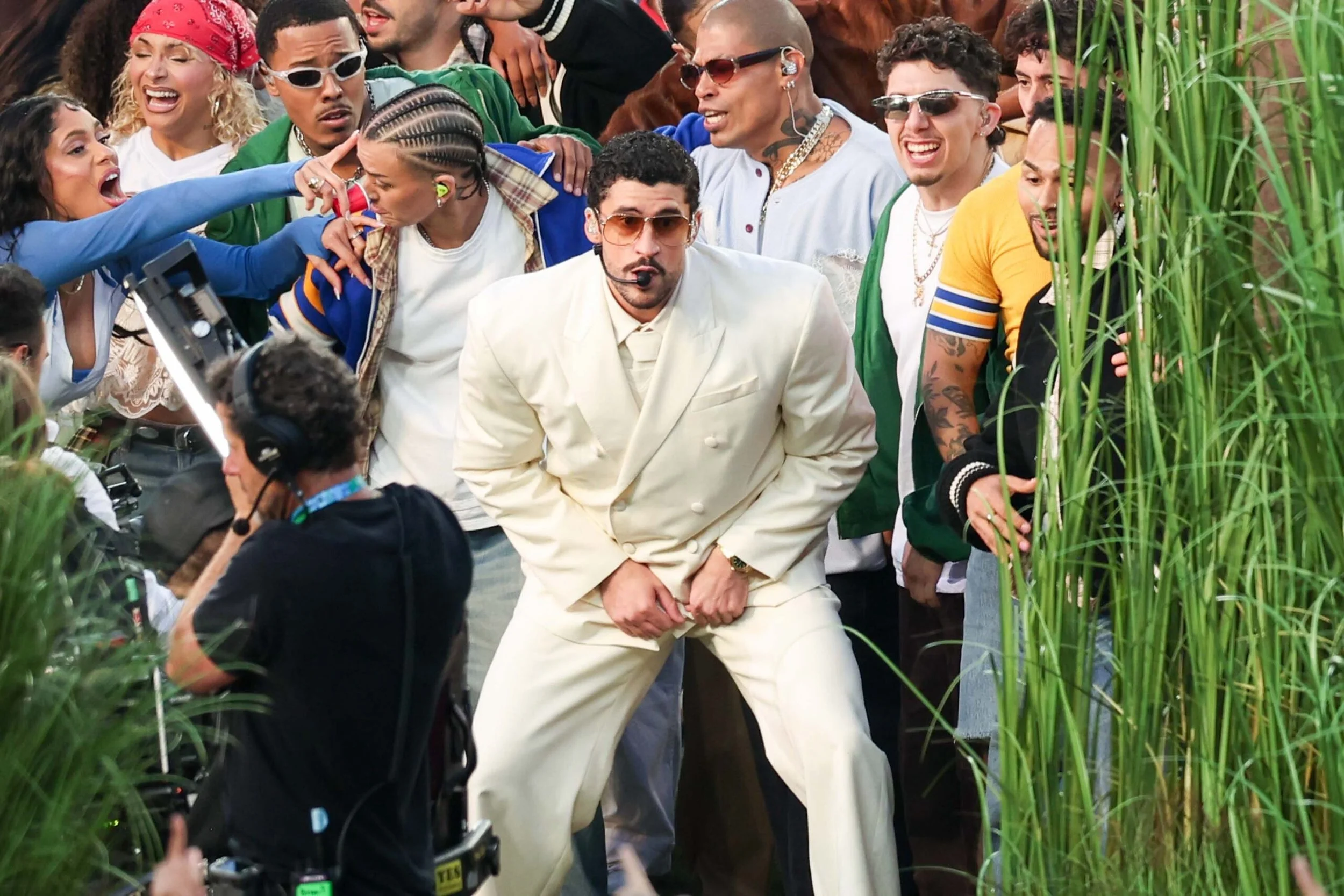
In the ever-evolving landscape of music and entertainment, few artists have made as significant an impact as Bad Bunny. Emerging from Puerto Rico, the reggaeton and Latin trap scene, he has not only dominated the charts but has also transcended cultural boundaries. His performance at the 2026 Superbowl halftime show stands as a testament to his influence and the growing recognition of Latin music in mainstream American culture.
When Bad Bunny took the stage, all eyes were on him. As the first fully Spanish-speaking artist to headline the Superbowl halftime show, his performance wasn't just a concert; it was a cultural event, echoing broader themes of diversity and inclusion. This moment was anticipated by millions—not just for the music but for the profound message it carried. It signified that Latin music, once relegated to niche markets, had firmly rooted itself in the heart of American entertainment.
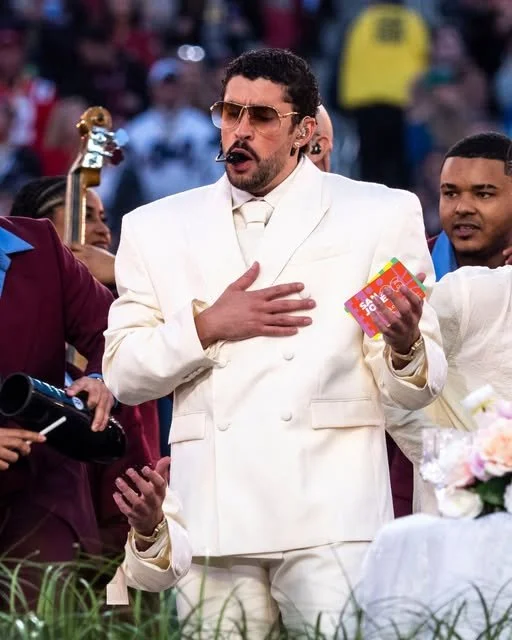
The significance of Bad Bunny's performance cannot be overstated. Locking in a staggering viewership, the Superbowl halftime show has historically been a platform where artists showcase their talents to a massive audience, often featuring pop icons and the biggest names in the music industry. By headlining this prestigious event, he not only affirmed his place among the giants but also opened doors for fellow artists in the Latin genre. The recognition of Bad Bunny by one of the most-watched events in the U.S. compels us to rethink who gets celebrated within the music industry and the narratives that accompany their rise.
One of the most striking features of the performance was its vibrant celebration of Latin culture. From the dynamic choreography to the bold visuals, the show infused traditional Latin elements with modern flair, captivating a diverse audience. It was a dazzling display of unity in diversity, illustrating how music can bridge cultural gaps and foster appreciation for one another's backgrounds. As viewers watched traditional dance styles interwoven with contemporary production techniques, it became clear that this was a celebration, not just of Bad Bunny’s artistry, but of the rich cultural heritage he represents.
The cultural implications of this event were profound. For many, witnessing Bad Bunny on such a significant stage was a moment of pride. It underscored how far the Latinx community has come in the United States evidence that their contributions to culture, art, and society are finally being acknowledged. Conversations around representation in the entertainment industry were reignited, urging audiences to reflect on the narratives being told and, more importantly, who gets to tell them.
Surprise musical performances by Lady Gaga appeared as a surprise guest, performing a salsa-infused version of her song “Die With a Smile” and dancing with Bad Bunny during the show with legendary award winning icon Ricky Martin.
During the performance or as part of the stage set and aesthetic, several celebrities and entertainers were seen joining in the festivities such as Cardi B, Pedro Pascal; Karol G; Jessica Alba; Alix Earle; Young Miko.
Beyond those directly participating in the show, numerous celebrities were spotted in or around the halftime experience, including actors and sports figures who made cameo appearances in the audience or stage area. Bad Bunny’s halftime set was praised for both its musical energy and its celebration of Latin culture, blending his hits with cultural storytelling and vibrant guest appearances.
Bad Bunny’s presence illuminated the shifting landscape of the American music scene. The past few years have seen a meteoric rise in the popularity of Latin music, with artists now frequently topping charts and dominating streaming platforms. His Superbowl performance solidified Latin music's relevance in today's cultural climate—a refreshing departure from the predominantly Anglo-American narrative that has long prevailed.
Bad Bunny's performance at the 2026 Superbowl halftime show was more than just an entertainment spectacle; it was a groundbreaking moment in American history. His success signifies a new era where diverse voices are embraced, and the rich mosaic of cultures woven into the fabric of American life is celebrated. As music continues to evolve, let’s embrace the beauty of diversity and the stories it brings to the forefront. ++