Health Watch: Baby Contracts STD And Loses Eye
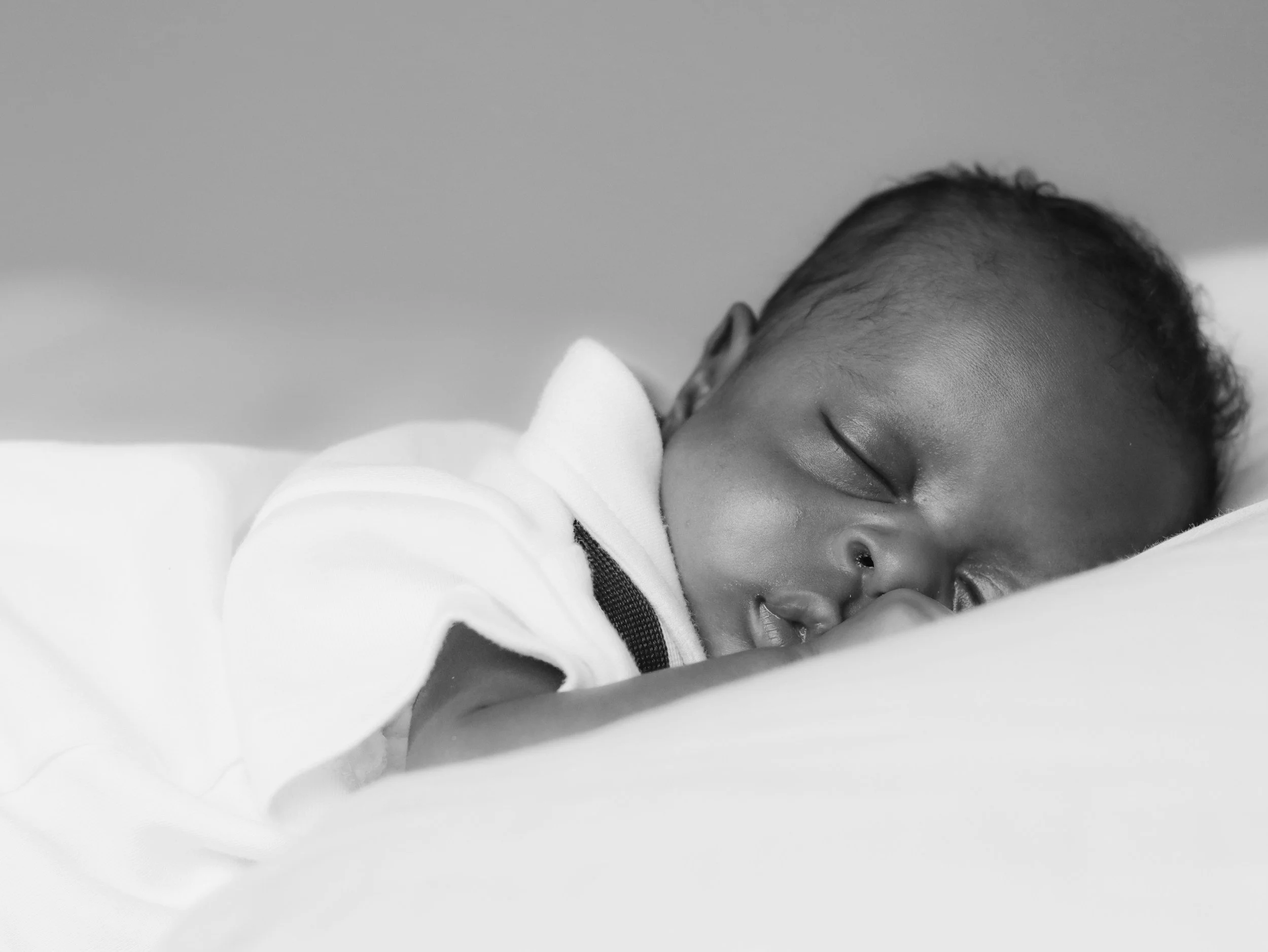
Growing up. The elders in my family were uod never allow people to kiss babies. I remember my team other Clara would say, “Don't let anyone kiss that baby. You're not supposed to ever do that”. While no further explanation was given. Grandma had spoken and that my friends, was law.
Infants and very young children have underdeveloped immune systems, meaning they can’t fight off infections the way older kids and adults can. This makes certain viruses — especially herpes simplex virus type 1 (HSV-1), the virus that causes cold sores — much more dangerous to them than to adults.
Direct contact with a sore — especially on someone’s lips — transmits the virus easily. Kissing near the baby’s mouth, nose, or eyes can pass the virus even if the adult doesn’t have visible symptoms. Saliva contact — surfaces, hands, or utensils can also spread HSV-1.
Once the virus enters a baby’s body, it can cause neonatal herpes, which is a serious infection. Even if it starts in the skin or eyes, HSV can rapidly spread and lead to organ damage, neurological complications, or death if not treated immediately.
In 2024–2025, a heartbreaking case emerged involving a young child named Juwan.
Two-year-old Juwan (from Namibia) developed a herpes infection in his eye after someone with an active cold sore kissed him on or near his eye or touched his hand, which he then rubbed into his eye.
The infection was initially thought to be a common eye problem. It worsened rapidly and formed a blister inside his eye, causing the cornea to deteriorate. The herpes virus caused such deep tissue damage that the eye lost sensation and vision. An open wound (about 4 mm) developed, and the eye began to deteriorate further.
Despite expert treatment, doctors could not save the eye due to the severe damage, and the family faced ongoing medical needs. The parents later shared their story publicly to urge others to avoid letting people with cold sores kiss their children.
Anyone with visible cold sores should not kiss a baby. People with active herpes infections should avoid close contact with infants. Hands should be washed thoroughly before touching a newborn.
The virus can also be dangerous even without visible sores, because HSV-1 can be shed in saliva before or after a blister appears. That means someone may be contagious even if they don’t yet realize they have an outbreak.
Babies can get infected through simple skin-to-skin contact. HSV-1 in infants can lead to eye damage, blindness, brain infection, lifelong disability, or death if not treated promptly.
Wash hands before holding a baby. You should avoid direct mouth contact from anyone except a healthy caregiver. Keep babies away from people with any active sores, especially around the mouth, eyes, or nose. ++