A Wave Of Female Rappers Are Shifting The Needle
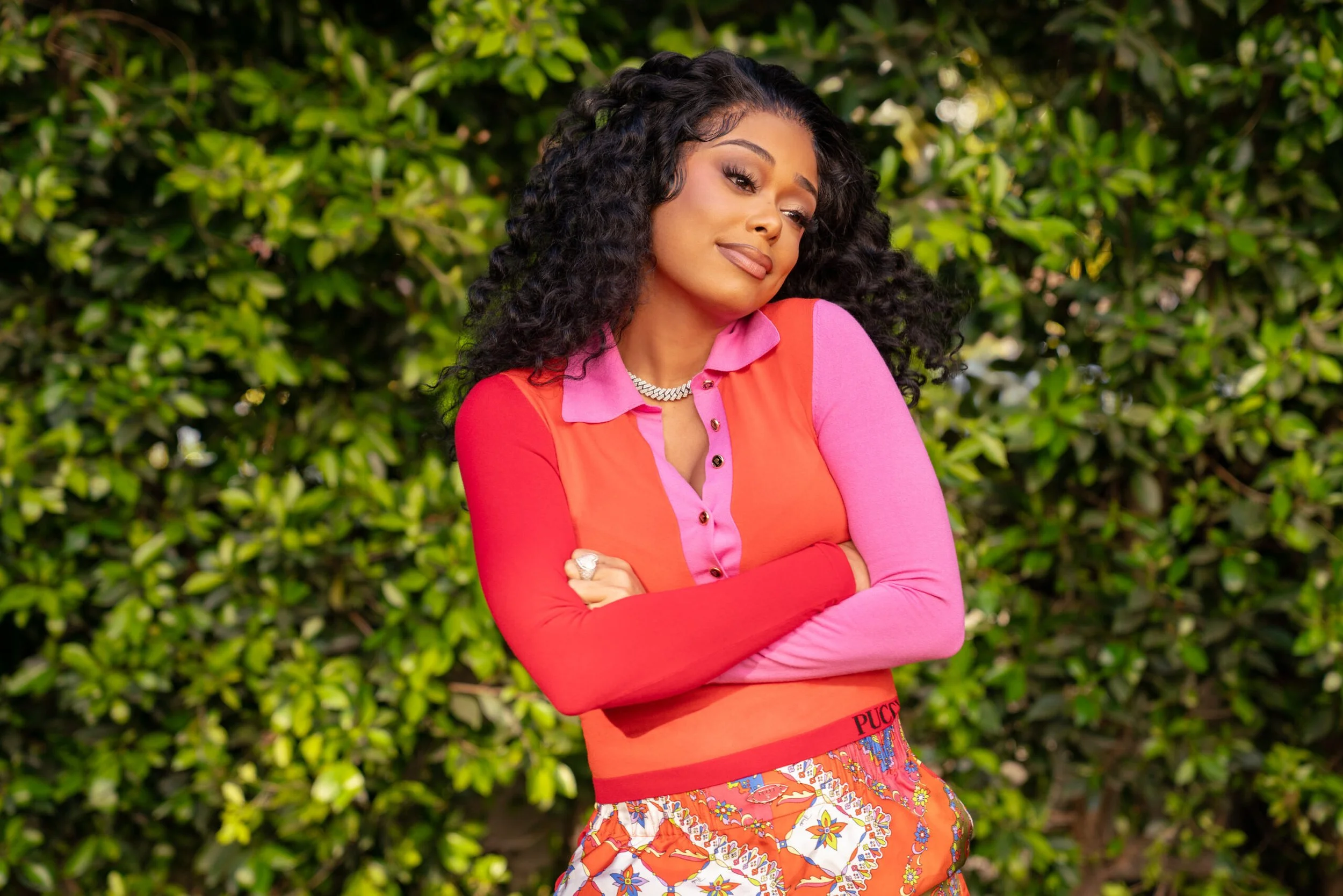
Lady London continues to change the trajectory with the lyricism.
There is a noticeable conversation happening right now in hip-hop — and especially around female rappers, lyrical content, and what it means for culture — but it’s not as simple as saying artists like Sexyy Red, Yung Miami, or Megan Thee Stallion are “over.” Instead, what we’re seeing is more of an evolution in the values and interests of audiences and artists alike.
Lady London is gaining attention not just for being a woman in hip-hop, but for intellect, storytelling, and thoughtful lyricism. She didn’t come out of a typical rap background but transitioned from poetry and academia (even studying pre-med and earning advanced degrees) into music, which is a bit atypical in mainstream hip-hop and gives her bars a different texture and content focus.
Her project S.O.U.L (Signs Of Universal Love) and other works aim to blend lyricism, conceptual themes, and introspective content, appealing to listeners who want substance as much as swagger.
This aligns with a broader trend within hip-hop where more artists are reclaiming rap as a space for intellectual or socially conscious expression, similar to how artists like Lauryn Hill and MC Lyte once broadened the genre’s thematic range.
Hypersexuality vs. Artistic Agency
Artists like Sexyy Red, Yung Miami (City Girls), and Megan Thee Stallion have been successful in part because they boldly express sexuality, confidence, and female agency. Their lyrics often celebrate sexual empowerment, pleasure, and personal power — a direct challenge to older norms that discouraged women from speaking about their desires openly.
For example, Yung Miami’s track “Rap Freaks” openly references sexual fantasies as part of a playful exploration of desire, not necessarily to shock but to assert ownership of her own narrative.
Adding to the growing list. The sounds of the upcoming rapper Samara Cyn and her lyrics of positivity verses sexually exploration.
Samara Cyn blends hip-hop with neo-soul, boom-bap, indie pop, and spoken-word influences, creating a sound that’s both classic and forward-thinking rather than strictly trap or mumble rap. Her music often has rich, soulful beats and melodic hooks alongside sharp, vivid bars. Samara’s lyrics tend to balance introspection, empowerment, humor, and social observation, and she doesn’t shy away from candid topics — including identity, confidence, and sexuality — but usually framed through clever wordplay and self-awareness. She often delivers uplifting, reflective messages- track “Magnolia Rain” emphasizes staying calm and centered through life’s chaos — a kind of anthem about peace and self-control. In more recent songs like “What Will They Say”, she expresses deep introspection and encouragement, using her platform to speak on bigger emotional and societal issues. Many of her bars celebrate confidence and ambition. For example, in “Sinner”, she boasts with bold wordplay that blends humor and self-assertion.
Academic discussions describe this in terms of “raunch aesthetics” — a feminist-aligned idea where women in hip-hop deliberately use sexual imagery to take control of representation and express sexual agency, rather than being objectified by others.
So while listeners or critics sometimes interpret these artists as hypersexual, for many of them this is an artistic and personal expression, not just a marketing tactic. While there is no comparison happening here- I'm noticing a balance of options taking place.
Is the Audience Shifting?
There is a perceptible shift in what some hip-hop audiences want.
Curiosity for depth and narrative — artists like Lady London, Rapsody, and others emphasize lyrics about relationships, identity, history, or social critique.
Respect for craft and intellect — more listeners are drawn to lyricism and conceptual themes, akin to older hip-hop traditions.
Nuanced portrayals of women — not just sexuality but whole lives, ambitions, and vulnerabilities are resonating with fans.
This doesn’t necessarily mean the sex-positive artists are “falling out” of favor — it means the genre is diversifying. Hip-hop has room for both raunch-focused empowerment and educational or narrative rap. They appeal to different moods and audiences, and both contribute to a richer culture.
Sexually vocally assertive female rappers are part of major cultural conversations around empowerment and gender. Their style continues to influence fashion, social media trends, and mainstream pop culture.
Sexual agency has been a winning artistic formula for years, and that doesn’t disappear overnight.
The hip-hop landscape is broadening. Audiences craving alternative narratives, complexity, and lyricism are increasingly supportive of voices like Lady London’s.
Artists may evolve their own styles — Meg Thee Stallion, for example, has tackled topics from confidence to relationship dynamics alongside sexual empowerment, showing versatility.
So rather than a monolithic genre controlled by hypersexual content, hip-hop is cycling into a more pluralistic era where multiple modes of expression can coexist.
Lady London represents a lyrical, intellectually oriented energy that is gaining traction.
While female rappers like Sexyy Red, Yung Miami, and Megan Thee Stallion are not “over,” but part of one important vibe in hip-hop — sex-positive empowerment and assertive self-expression.
The audience and artist ecosystem in hip-hop is expanding, not replacing one style with another entirely.
It’s not one lane dying — it’s more lanes being built. Hip-hop has room for both educational, thoughtful rap and confident, sex-positive styles — and that diversity is part of the culture’s evolution. Yes, women love variety. Especially when listening to our musical selections.++