Regina Jones: A Voice For Black Americans
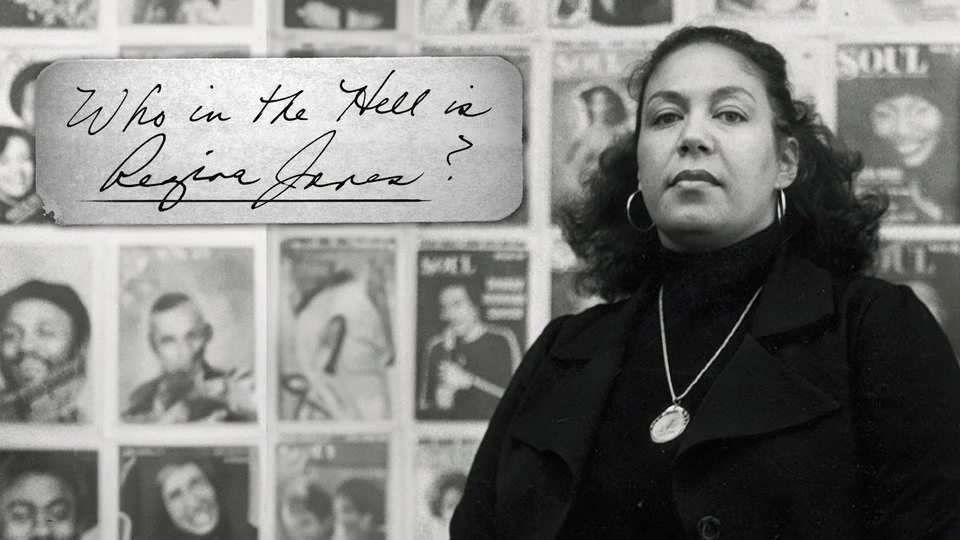
Regina Jones stands as a groundbreaking writer and activist whose extraordinary life and relentless passion for justice have made a lasting impact on the fight for equality and representation for Black Americans. Born in South, Los Angeles in 1942, Jones grew up amid the civil rights movement, which fueled her desire to advocate for social change. Her journey reflects not only her personal experiences and struggles but also the collective resilience of the Black community.
With an unwavering commitment to amplifying the voices of marginalized individuals, Jones's writing serves as a powerful tool for advocacy. She started her literary career by contributing to various publications and soon garnered attention for her poignant storytelling and keen insights. Her work not only captures the essence of the Black experience but also challenges societal norms and provokes thought on critical issues such as systemic racism and social justice.
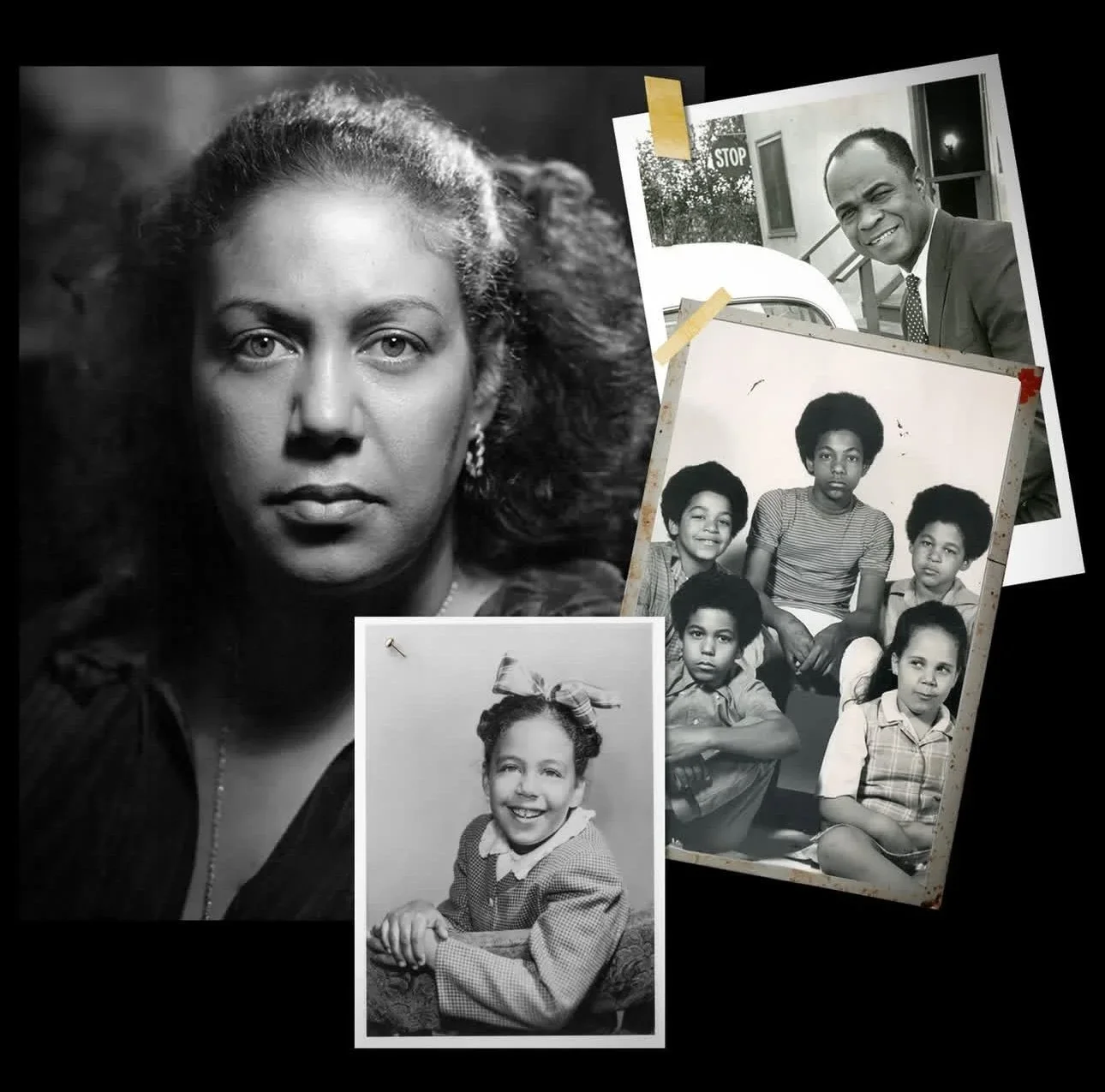
One of her most notable works, “SOUL Newspaper” (1966–1982), founded in response to the 1965 Watts Rebellion. SOUL provided a platform for artists like Aretha Franklin, Stevie Wonder, and James Brown, delved into the intricacies of identity and the historical narratives that shape the Black American experience. Through vivid storytelling and compelling characters, Jones brings to life the struggles and triumphs of those often overlooked in mainstream literature. Her ability to blend personal anecdotes with broader societal issues allows readers to connect deeply with her narratives, fostering empathy and understanding across diverse audiences.
In addition to her literary contributions, Regina Jones is an outspoken activist, dedicating much of her time to organizations that empower Black youth and advocate for educational equity. She has worked extensively with initiatives aimed at providing resources, mentorship, and support to young people in underserved communities. Her passion for education stems from her belief that knowledge is a potent instrument for change. By equipping the next generation with the tools they need to succeed, Jones hopes to inspire them to continue the fight for equality and justice.
A pivotal moment in Jones's activist journey came during while working as an LAPD dispatcher, 21-year-old Regina took the first distress calls of what would become the six-day Watts uprising. This event not only solidified her role as a leader within the community but also highlighted the need for collective action to confront the injustices that plague society. Her speech resonated with many, igniting a spark of activism in others and leading to a series of community-led initiatives aimed at bridging the gap between different racial and cultural groups.Throughout her career, Regina Jones has received numerous accolades for her contributions to literature and activism, including an NAACP Image Award. Despite these honors, she remains humble and committed to her mission of empowering others. Jones believes that true change occurs when individuals come together, harnessing their collective voice to challenge systemic inequalities.
As we reflect on the legacy of Regina Jones, it is clear that her work has paved the way for future generations of writers and activists. She stands as a symbol of resilience, proving that one person's voice can inspire a movement and shape societal change. Her life's work continues to remind us of the power of writing as a means of resistance and the necessity of creating space for diverse narratives in our society.
Regina Jones was not just a writer; she remains a transformative figure who inspires us to listen, learn, and stand up for justice in all its forms. Through her extraordinary life, she has crafted a legacy that will resonate for years to come, lighting the way for many who will follow in her footsteps.
Watch the award winning documentary,”Who The Hell Is Regina Jones” on DABL Television and several other networks on February 16th. Check local listings for times. ++