Pretty Girl Privilege is it A Real Thing?
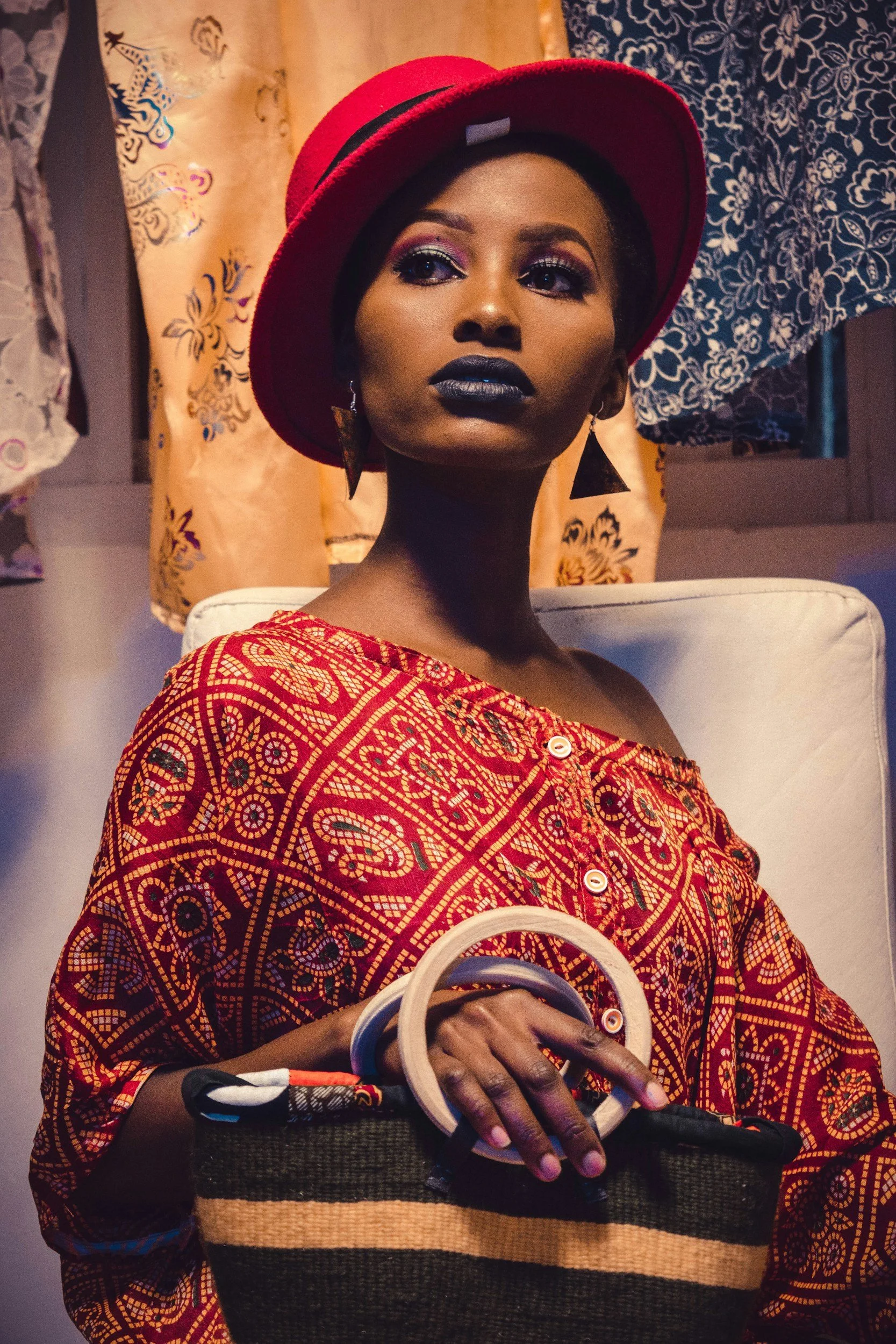
“Pretty Girl Privilege” is a modern social term used to describe the perceived advantages conventionally attractive women often receive in everyday life. While the phrase is frequently used humorously on social media, it reflects a real psychological and societal phenomenon tied to beauty standards, perception, and social bias. Studies in sociology, psychology, and behavioral science have consistently shown that physical attractiveness can influence how people are treated in professional, social, and even legal environments.
Understanding “Pretty Girl Privilege”
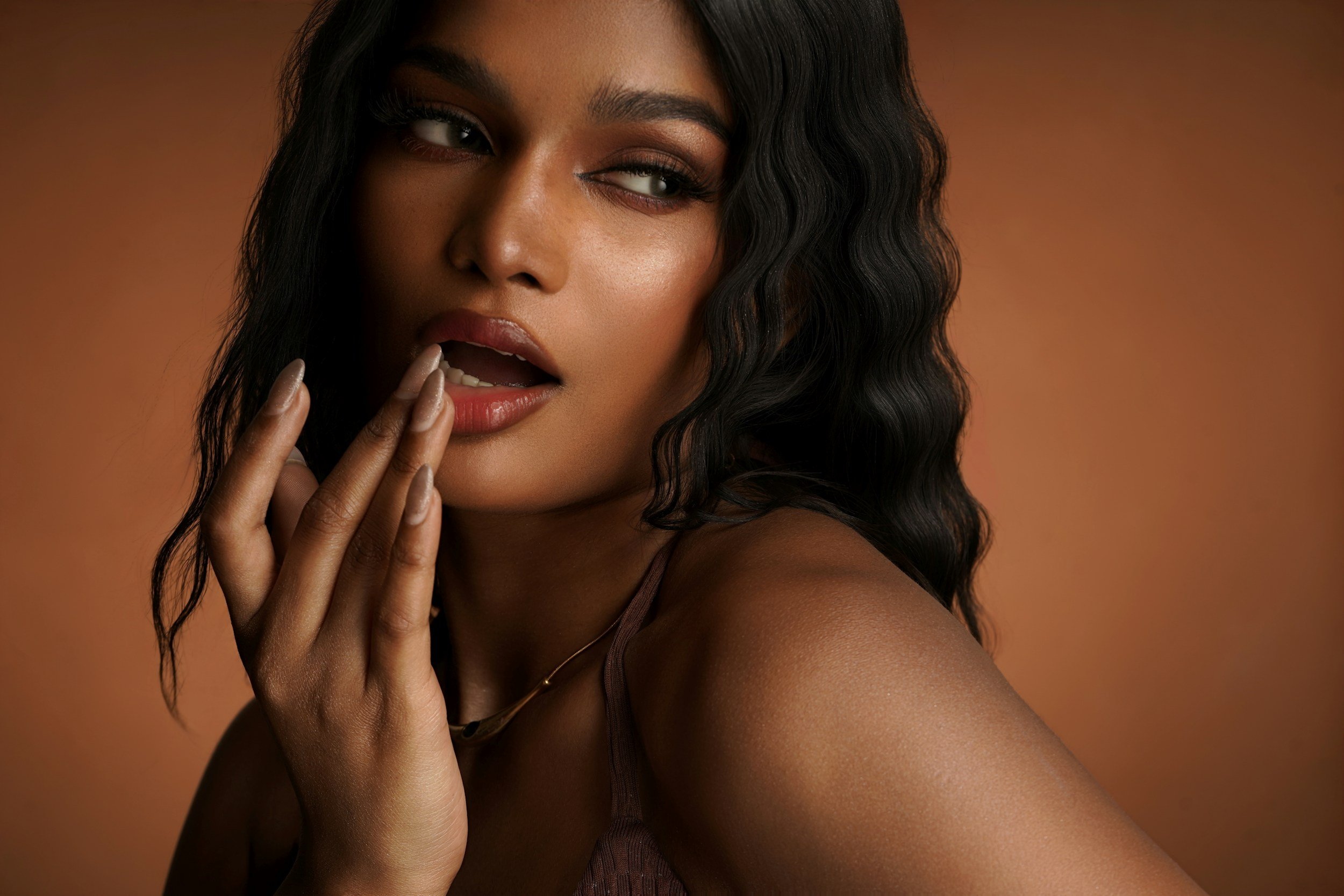
At its core, pretty girl privilege refers to the benefits attractive women may experience simply because others perceive them as beautiful. These advantages are often unconscious and rooted in what psychologists call the “halo effect” the tendency to assume attractive people also possess positive qualities such as intelligence, kindness, confidence, or competence.
Although beauty standards vary across cultures and time periods, society often rewards women who fit mainstream ideals of attractiveness.
Common Advantages Associated With Pretty Girl Privilege
1. Increased Social Attention
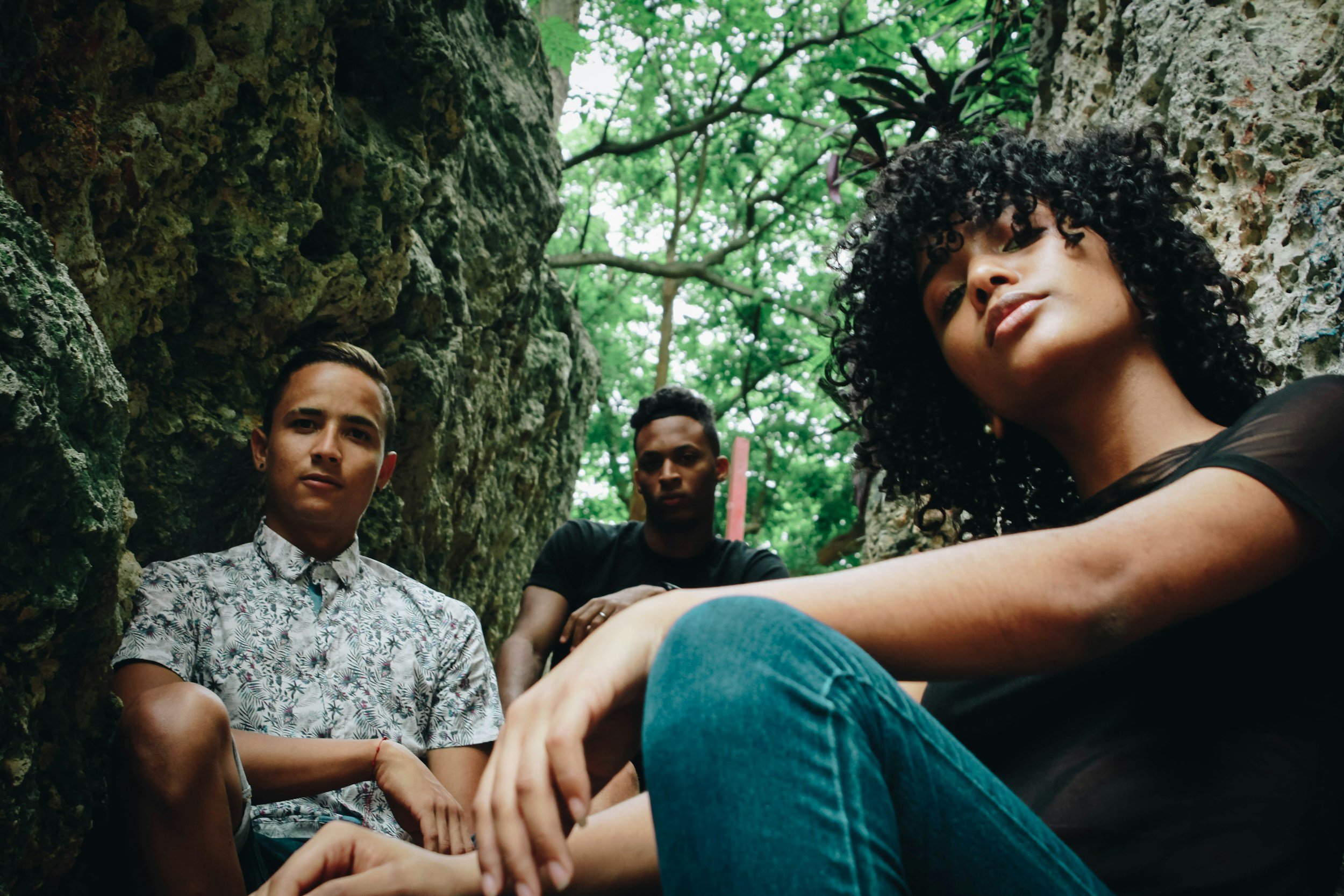
Attractive women often receive more attention in social settings. People may be more eager to start conversations, offer help, extend invitations, or create opportunities for connection. This can lead to larger social networks and increased visibility in personal and professional spaces.
2. Professional Opportunities
Research has shown that attractive individuals are sometimes perceived as more competent, charismatic, and trustworthy during interviews or workplace interactions. Women viewed as conventionally attractive may experience:
Greater networking opportunities
Increased client engagement
More favorable first impressions
Higher likelihood of being remembered
In industries centered around branding, media, hospitality, fashion, or public-facing roles, appearance can significantly influence opportunities.
3. Preferential Treatment
Pretty girl privilege can appear in subtle everyday interactions, such as:
Receiving better customer service
Being offered assistance more quickly
Receiving compliments or gifts
Experiencing greater leniency in certain situations
Many people are unaware they are treating someone differently based on appearance. These interactions are often driven by unconscious bias.
4. Social Media Influence
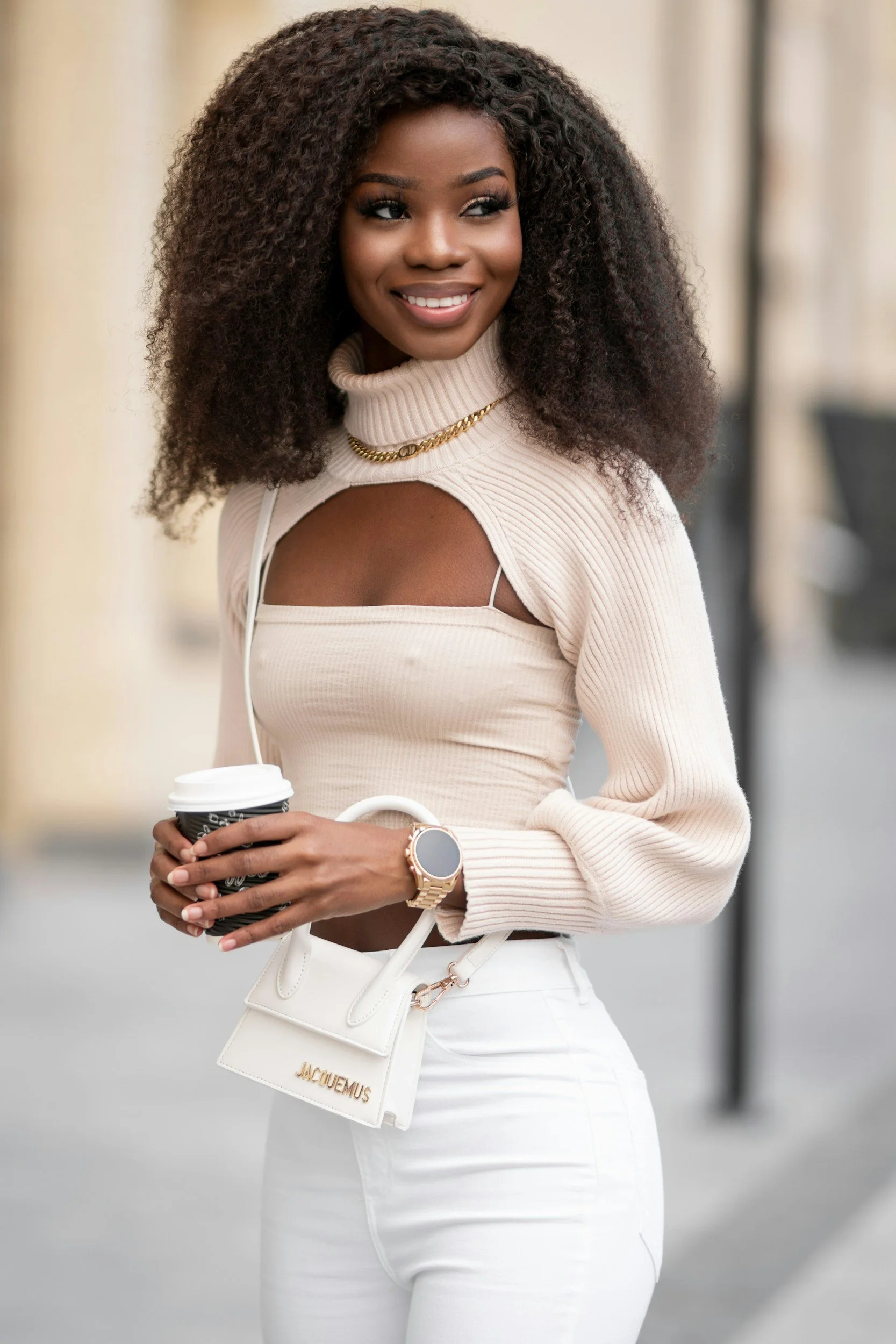
In the digital era, attractiveness often translates into visibility online. Attractive women may gain followers more quickly, experience higher engagement, and attract brand collaborations more easily. Platforms like Instagram and TikTok have amplified the influence of beauty culture, making appearance a form of social currency.
This visibility can lead to financial opportunities through content creation, partnerships, and personal branding.
5. Confidence and Social Reinforcement
Women who are frequently praised for their appearance may develop stronger social confidence over time. Positive reinforcement can encourage assertiveness, communication skills, and self-expression.
However, this confidence is not always automatic. Some women experience pressure to maintain certain standards, leading to anxiety or self-esteem challenges beneath the surface.
The Psychological Reality Behind It
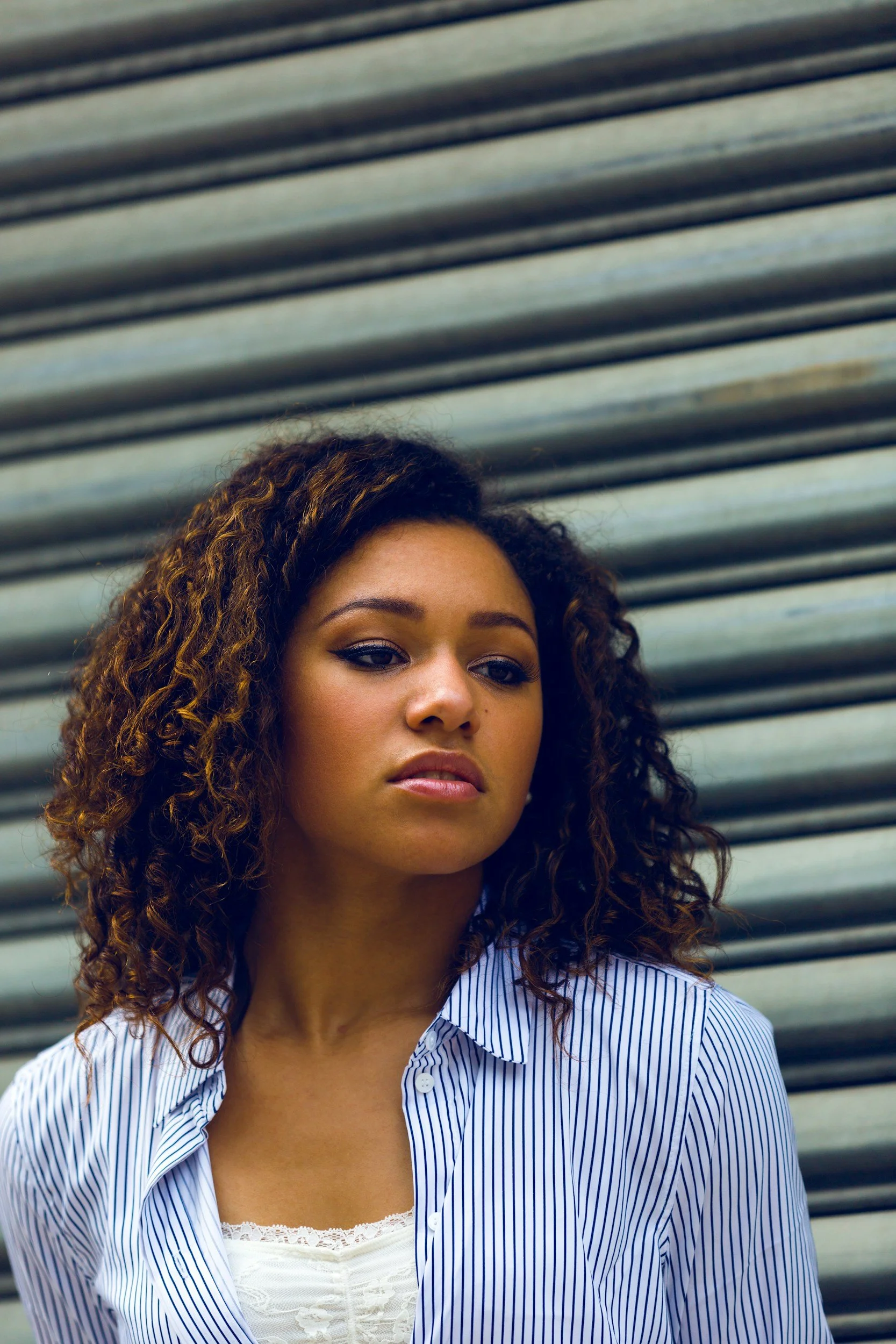
Pretty girl privilege is not simply about vanity or superficiality. It reflects broader societal conditioning around beauty and value. Studies suggest people naturally respond more positively to faces they perceive as attractive because of deeply rooted evolutionary and cultural influences.
The effect can begin early in life. Attractive children are often treated more positively by peers and adults, which may influence confidence, opportunities, and social development later on.
The Double-Edged Sword
While pretty girl privilege can create advantages, many women also describe drawbacks that accompany it. These may include:
Being underestimated intellectually
Experiencing jealousy or resentment from others
Feeling objectified or reduced to appearance
Pressure to maintain beauty standards
Difficulty being taken seriously in professional spaces
Attractiveness can open doors, but it can also create assumptions that limit authenticity and individuality.
Beauty Standards and Social Inequality
It is important to acknowledge that pretty girl privilege is closely tied to societal beauty standards, which have historically favored certain features, body types, skin tones, and aesthetics. As conversations around inclusivity evolve, many people are challenging narrow definitions of beauty and advocating for broader representation.
Critics argue that pretty privilege highlights a deeper issue: society often assigns value based on appearance rather than character, intelligence, or talent.
Pretty girl privilege is a complex social phenomenon shaped by psychology, media, culture, and human behavior. While attractiveness can create real-world advantages in social and professional settings, it also reveals how deeply appearance influences perception in modern society.
Ultimately, the conversation surrounding pretty girl privilege is not only about beauty it is about understanding bias, social dynamics, and the ways people unconsciously assign value to others.