Spirit Airlines Shuts Down After 33 Years: What This Means for Travelers
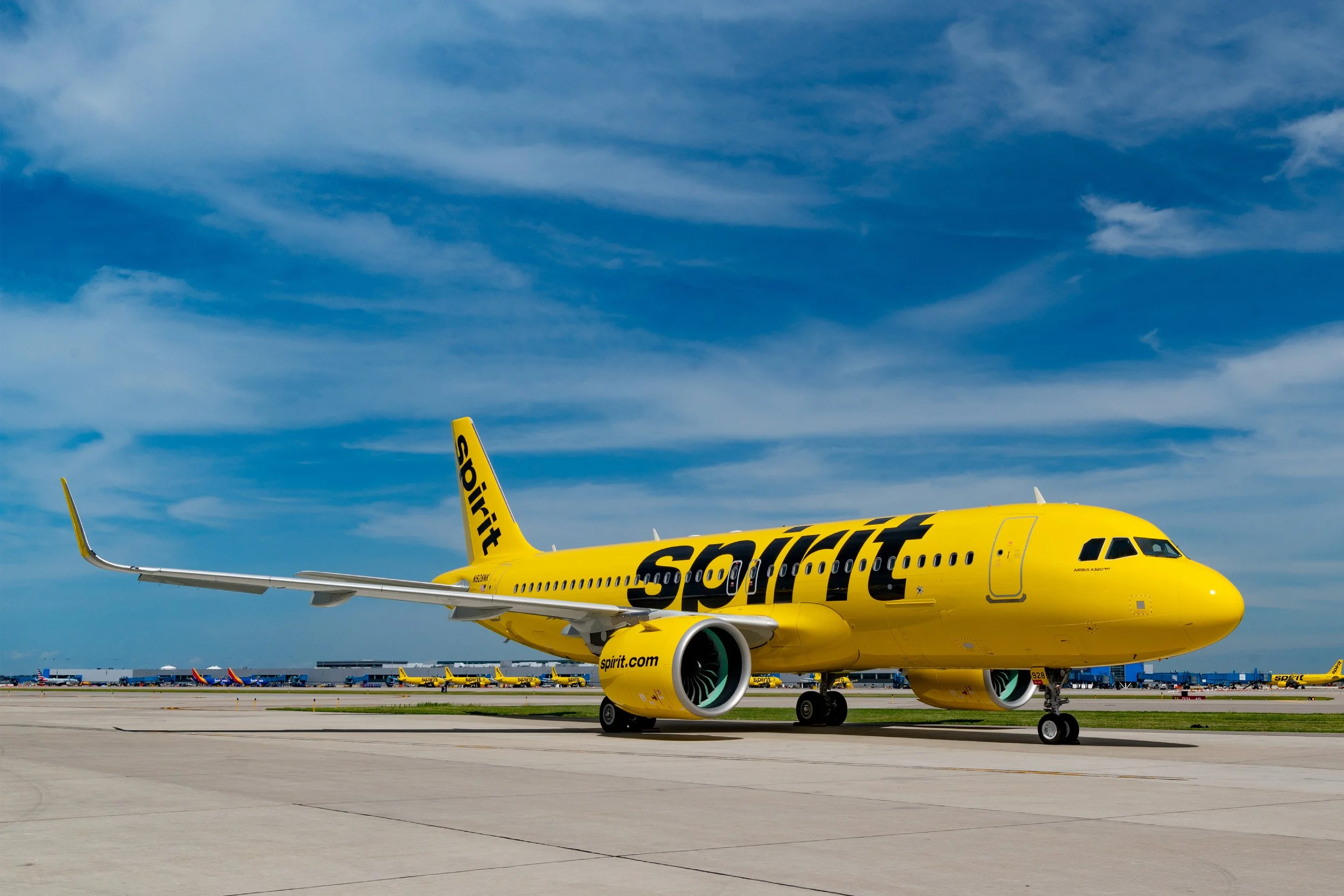
In a surprising turn of events, Spirit Airlines has officially announced its closure after 33 years of operation in the airline industry. Known for its ultra-low-cost business model, Spirit Airlines has played a significant role in making air travel accessible to millions of travelers. However, as the news of its impending shutdown spreads, many are left wondering how this will affect their travel plans and the landscape of budget air travel.
Founded in 1980 as a charter airline, Spirit Airlines reinvented itself in the early 2000s by adopting the low-cost carrier model, which offered no-frills service and, often, the lowest fares in the industry. This approach attracted a diverse customer base, from budget-conscious families to young adventurers seeking to explore new destinations. Spirit’s business practices, while sometimes controversial, revolutionized how many view air travel, cementing its position in the market. The closure raises immediate concerns for travelers who have either booked flights with Spirit Airlines or planned to in the near future. For those with existing reservations, it’s critical to understand the next steps. Travelers are advised to contact Spirit’s customer service for guidance on cancellation policies and potential refunds. With the abrupt nature of the shutdown, finding alternatives could be challenging, especially during peak travel seasons. Airlines like Southwest, Frontier, and other budget carriers may experience a surge in demand as travelers seek cost-effective options, leading to limited availability and potentially higher prices. Moreover, the shutdown of Spirit Airlines reflects a broader trend in the airline industry, where economic pressures and rising operating costs have prompted several airlines to revise their strategies or even cease operations. The COVID-19 pandemic accelerated these changes, with many low-cost carriers struggling to recover from significant revenue losses. As a result, travelers seeking affordable flights may find themselves limited in options, as fewer airlines compete in the budget space. With Spirit Airlines no longer in the picture, budget-conscious travelers will need to adapt.
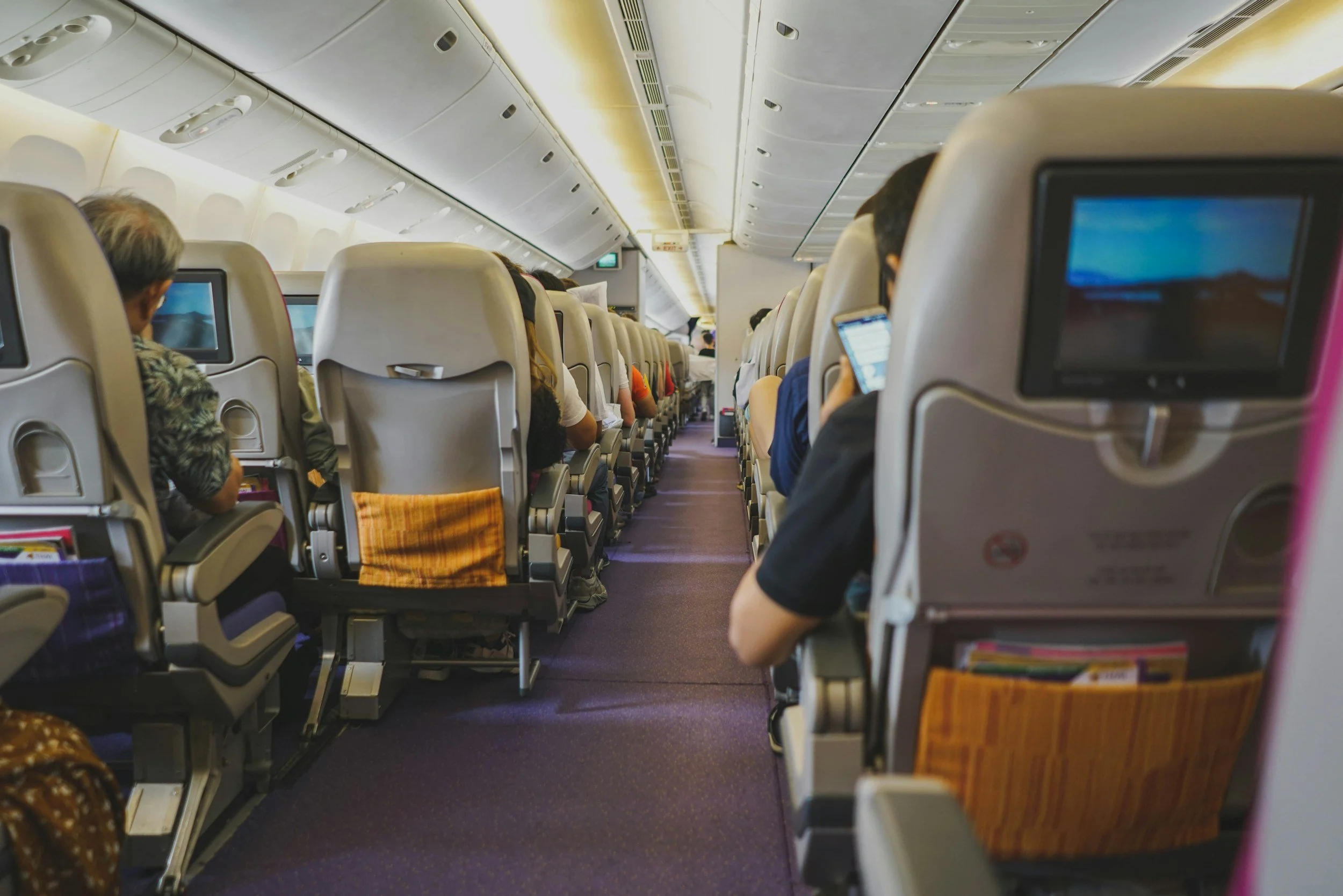
It’s recommended to stay vigilant for deals and to utilize fare comparison tools to find the best available options. Additionally, travelers should remain flexible with their itineraries, as this may open up more opportunities for finding cheaper flights. On the urban front, the closure could also impact airport foot traffic in cities where Spirit airlines operated extensively. Local economies that benefited from the influx of travelers may see a decline in tourism revenue. The ripple effects could extend to hotels, rental services, and local attractions that relied on the steady stream of Spirit passengers.
As the dust settles from this significant industry shakeup, it will be essential for travelers to remain informed and proactive. While Spirit Airlines may have played a pivotal role in shaping modern air travel, its closure serves as a reminder of the volatility of the airline industry. For those impacted by its departure, there is hope in the multitude of airline options still available, but vigilance and adaptability will be key in navigating future travel plans.
The shutdown of Spirit Airlines represents not just the end of a 33-year journey for one of the most recognized budget carriers, but it also signals a new phase for travelers in adapting to an evolving travel landscape. As the market adjusts, staying informed and flexible could help ensure that travelers continue to explore the world without breaking the bank.