The Age-Old Question Is Asking a Woman's Age Still Taboo
As society evolves, our conversations about sensitive topics tend to shift, revealing new layers of understanding and acceptance.
One such topic is the age of women, a question that has, for decades, hung in the air laden with unspoken rules and societal expectations. In a world increasingly aware of gender equality and empowerment, we must ask: Is asking a woman her age still considered taboo, or have we progressed to a point where such inquiries are perceived differently, particularly when it comes to older women? Historically, in many cultures, age has been a sensitive subject especially for women. There was a time when revealing one's age was not just frowned upon but could lead to judgments about youth, beauty, and even worth. Women were often conditioned to shield their ages, primarily due to societal pressures that prized youth and beauty above experience and wisdom. This created an environment where asking a woman her age felt intrusive or even disrespectful.
The adage "a woman never reveals her age" became a protective mantra, reinforcing stereotypes about aging and femininity. However, as we navigate the complexities of modern society, this narrative is beginning to change. With the rise of movements advocating for gender equality and the celebration of women’s accomplishments regardless of age, there has been a significant shift in how we discuss age. Whereas once asking a woman about her age might have carried a hint of rudeness or disrespect in certain circles, it is increasingly being reframed as an opportunity for empowerment. For example, older women today are often celebrated for their experiences and insights.
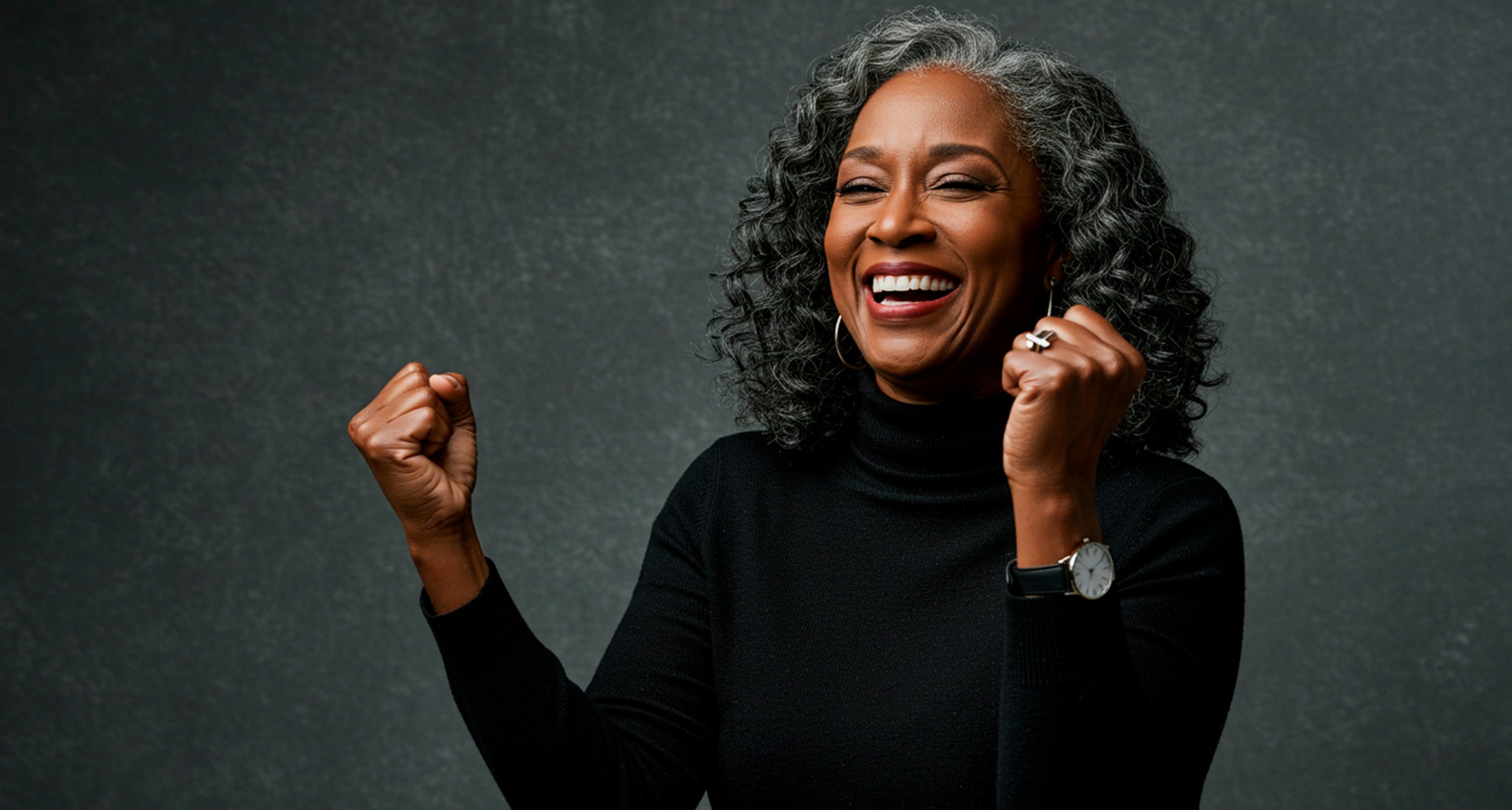
Public figures, from actresses to politicians, proudly admit their ages and challenge the stereotypes associated with aging. This shift has encouraged a dialogue that values years lived over simply years passed a redefining of what it means to grow older in a society that increasingly recognizes the strength and wisdom that come with age. In this context, asking a woman her age can be less about probing into a sensitive area and more about engaging in a conversation that allows her to share her journey and achievements. Instead of focusing on the number, which often carries negative connotations, we can view age as a badge of honor, a reflection of the rich experiences that shape a person. However, it's important to approach this topic with sensitivity and awareness of individual preferences. While some women might be comfortable discussing their age openly, others may still hold on to traditional views and see the question as an intrusion into their personal lives.
Thus, the key lies in the intention behind the question and the respect shown for the individual's comfort level.
While asking a woman her age may still carry some taboos in certain contexts, our evolving societal norms suggest a growing openness to discussing age, particularly as it relates to the empowerment of women. Embracing age as a topic opens the door to conversations that celebrate life experiences and personal growth.
As we continue to advocate for equality and respect, perhaps the question “How old are you?” can transform from a potentially rude inquiry into a genuine compliment celebrating the beauty of aging.