The Debate Surrounding the Impact of Music, Lyrics and Image in the Black Community
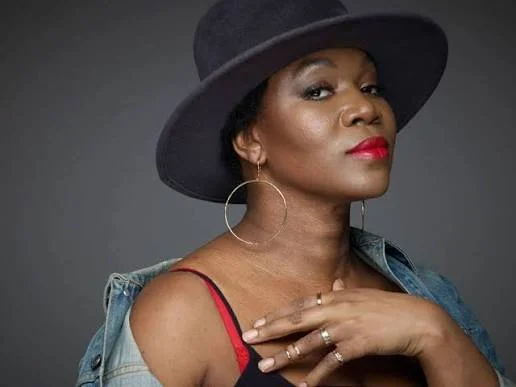
In recent weeks, the music world has been buzzing with conversation about the influence of hip hop, particularly after the release of Yung Miami’s latest track, “Spend Dat.” The song's catchy beats and bold lyrics have garnered attention, but not all responses have been positive. Renowned singer and activist India Arie recently chimed in, sparking a heated discussion about the implications of such music on listeners, especially the younger generation.
India Arie, known for her soulful melodies and conscious lyrics, has always used her platform to advocate for positive messages in music. Her concerns regarding Yung Miami's single are not unfounded. The song, which narrates a lifestyle of deception and superficial gains often associated with the hustle of street life, has resonated with a wide audience. However, for many, including Arie, it raises essential questions about what messages we endorse in the music we consume.
The conversation around hip hop and its influence is not new. Critics have long pointed to certain themes in the genre such as materialism, violence, and deceit as potentially damaging, especially for impressionable young minds. In her social media posts, Arie expressed her apprehension, highlighting that while music is an expression of life, the glorification of negative aspects can foster harmful ideologies.
"Art imitates life, but it shouldn't promote the worst of it," Arie remarked during a recent interview. This sentiment echoes the thoughts of many music aficionados who worry that tracks celebrating lifestyles based on scamming and predatory behaviors can normalize such actions. They argue that when these narratives are amplified, they can cultivate an environment where youth might aspire to mimic these negative patterns rather than seek out more constructive paths.

On the flip side, supporters of Yung Miami’s “Spend Dat” argue that hip hop often serves as a reflection of reality for many artists and their experiences. They contend that it provides a voice for those who feel marginalized, allowing them to share their stories of struggle and survival in a world that frequently overlooks them. Moreover, fans often enjoy the genre for its beats and energy, pointing out that not every song is meant to be a moral lesson.
This dichotomy brings to light an essential discussion about personal responsibility in music consumption. Many music lovers appreciate the artistry and authenticity present in hip hop, while also having the ability to discern healthy from unhealthy messages. Advocates for a balanced approach suggest that while it’s crucial to acknowledge the realities artists portray, it’s equally important to promote artists who uplift and inspire.
Ultimately, the dialogue sparked by India Arie's comments serves as a reminder of the power music holds in shaping culture.
The ongoing debate around Yung Miami's, seemingly summer song anthem might just be the beginning of a larger conversation about the responsibilities of artists, the influence of their lyrics, and, importantly, the role of listeners in making mindful choices about the music they engage with.
As we navigate through this multifaceted issue, it’s essential for music lovers to seek out a diverse range of artists and messages, fostering an appreciation for both the art of storytelling and the impact those stories may have on society. In a world brimming with choices, the essence of music can be both a reflection of life and a catalyst for change.