The Paradox of Visual Access: Understanding Trauma Through Social Media
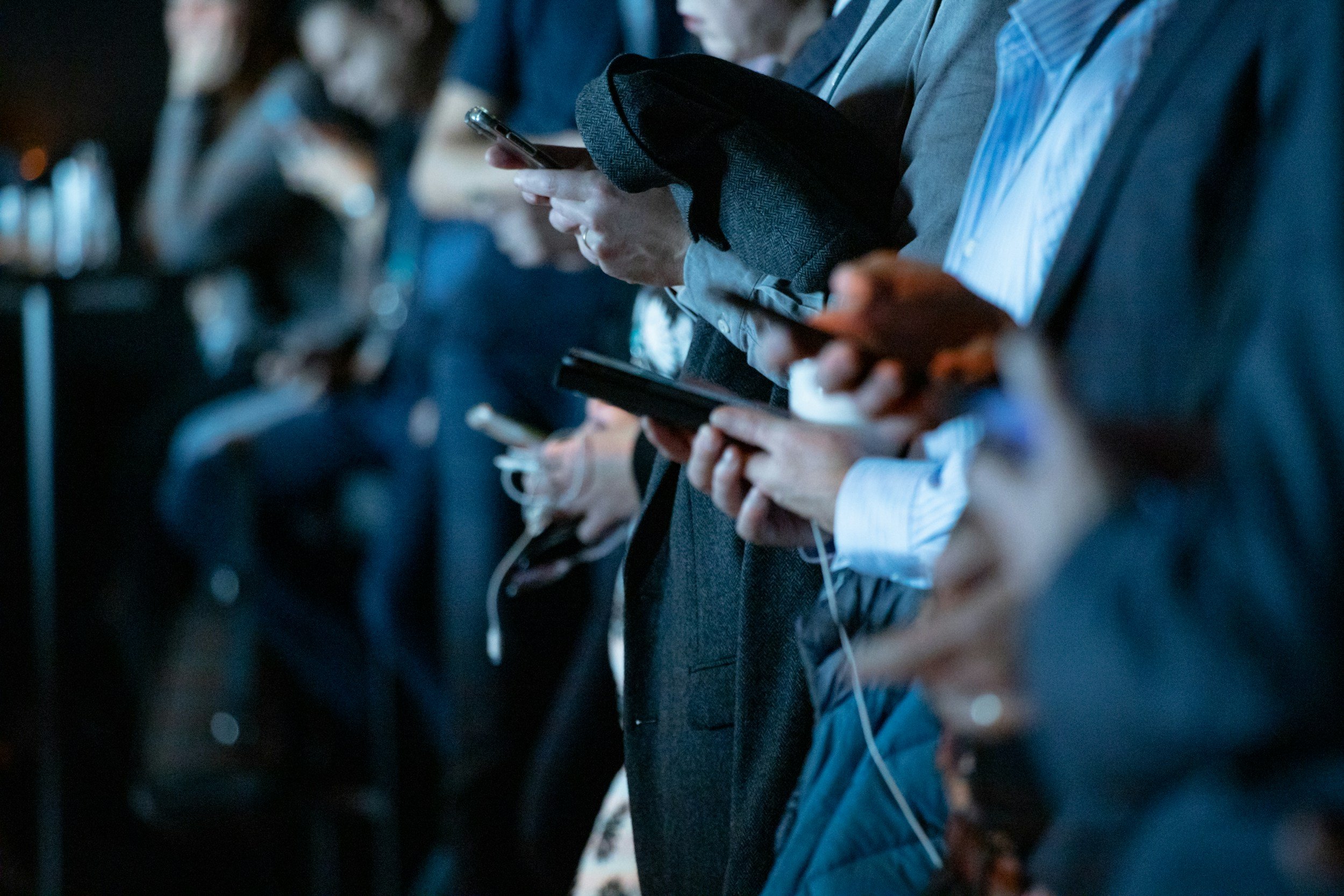
In today’s digital age, social media platforms have become the primary source of news and information. From devastating natural disasters to acts of violence, visuals of real-time events flood our screens. This instantaneous access to events that shape the world around us is a double-edged sword, presenting both advantages and severe psychological repercussions.
Our smartphones keep us connected 24/7, allowing us to witness events as they unfold across the globe. This immediate access can foster empathy and a sense of community, igniting social movements and spurring instant support for various causes. For instance, during the Black Lives Matter protests, social media became a vital platform for documenting police brutality and mobilizing protests worldwide.
However, this engagement comes with a price. The continuous exposure to traumatic content can trigger anxiety, stress, and feelings of helplessness. Research has shown that consuming graphic content, particularly repeatedly, can lead to what is termed 'vicarious trauma'. This response is not limited to individuals directly involved in tragedies; it can extend to anyone who views these disturbing images.
The impact of consuming distressing visual content on mental health is significant. The American Psychological Association (APA) warns that habitual exposure can create a chronic state of hypervigilance, leading individuals to feel perpetually unsafe or anxious. Instead of being mere observers, we become participants in a collective trauma that impacts our mental well-being. According to APA, experiencing symptoms akin to Post-Traumatic Stress Disorder (PTSD) from online activities is becoming increasingly common.
Moreover, the effects are exacerbated by social media algorithms that prioritize sensational content. Users tend to be shown more of what they engage with, meaning that someone who watches one distressing video may find their feeds dominated by similar themes, spiraling them into emotional turmoil.
It’s essential for users to recognize and regulate their consumption of distressing content. Setting boundaries around social media use can significantly mitigate the adverse mental health impacts. Engaging in digital detoxes or reducing exposure to graphic news can allow individuals to reclaim their emotional stability. Furthermore, unfollowing accounts that continuously share traumatic content can promote a healthier online experience. Social media companies also have a role to play in addressing this issue. By implementing features that allow users to manage the type of content they see, they can contribute to a decrease in collective trauma. Encouraging responsible sharing practices and promoting resources for mental health support can help users navigate the emotional landscape of social media effectively.
While digital platforms provide unparalleled visual access to real-time events, it is essential to recognize the potential psychological harm it can incur. Understanding the balance between awareness and emotional health is vital. We must learn to engage thoughtfully with the content we consume to foster a healthier relationship with the information age. ++