The Rise of Entrepreneurship Among Black Women A Response to Hostile Workplaces
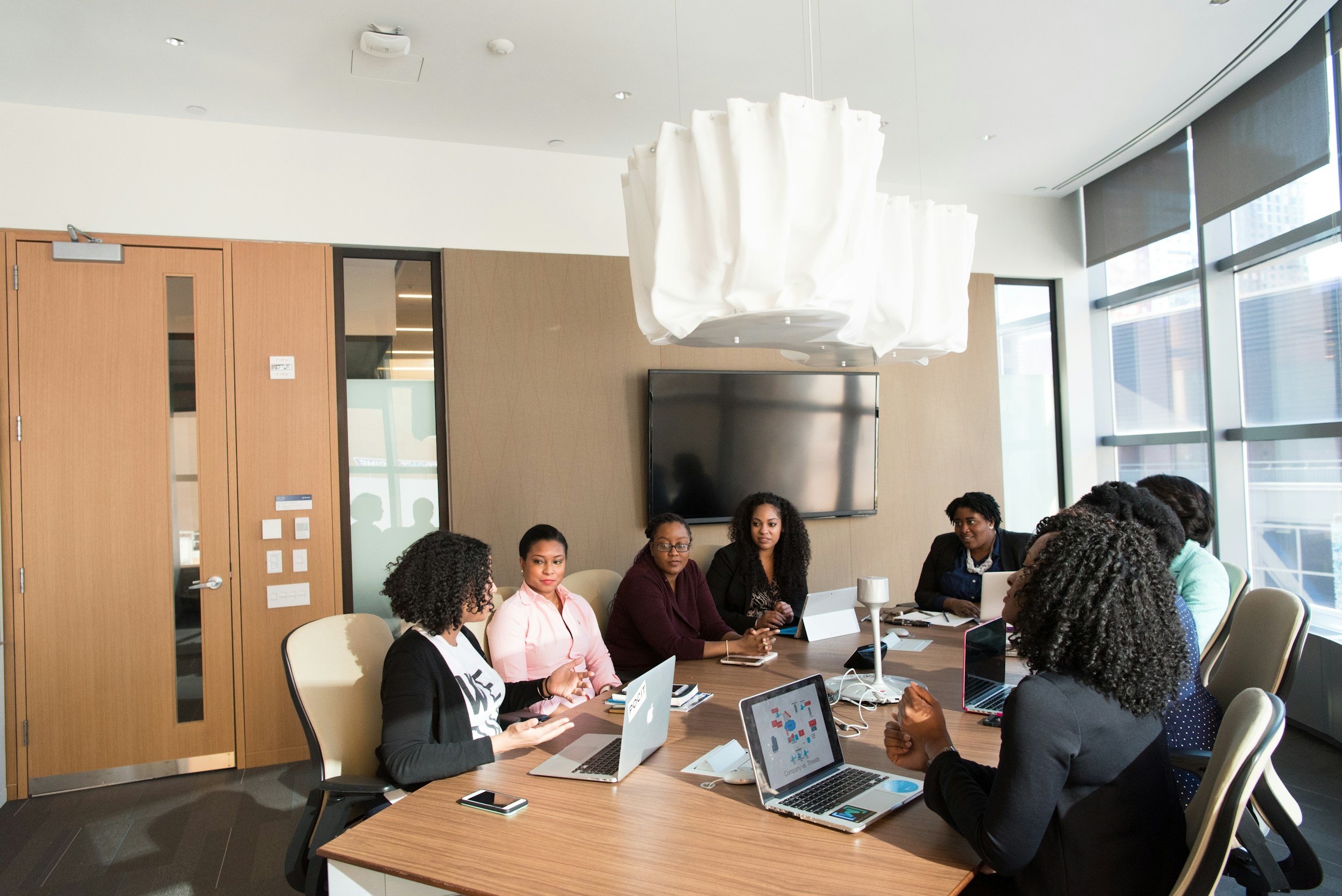
In recent years, an increasing number of Black women are choosing to leave traditional corporate jobs in favor of entrepreneurship. This shift is largely driven by the desire to escape hostile workplace environments, which often perpetuate systemic racism and gender bias. As more Black women lead the charge to build their own businesses, they not only seek personal fulfillment but also aim to create spaces that are inclusive and empowering.
According to the 2023 State of Women-Owned Businesses report, Black women are the fastest-growing demographic of entrepreneurs in the United States. Over the past five years, the number of businesses owned by Black women has increased by 50%, compared to a mere 7% growth rate for all women-owned businesses. This shift highlights a growing disenchantment with traditional employment models that often overlook the unique challenges faced by women of color.
"Many Black women are realizing that they can create their own opportunities instead of navigating a system that was not designed for them," says Dr. Janet Lewis, a sociologist who specializes in labor studies. "The workplace should be a place of growth and support, but for many, it has become a battleground of microaggressions and inequitable treatment."
A survey conducted by the National Black Women's Justice Institute found that nearly 70% of Black women reported feeling marginalized in their workplaces. Common experiences include being overlooked for promotions, facing wage disparities, and dealing with overt or covert discrimination. These negative experiences have prompted many to seek self-employment as a means of reclaiming their agency and finding fulfillment in their careers.
The stories of Black women entrepreneurs illustrate this trend. Take the case of Maya Thompson, who left her position as a marketing manager at a Fortune 500 company to launch her own consulting firm. "I was tired of being the only Black woman in the room, constantly battling stereotypes and biases," Thompson shares. "Starting my own business allowed me to cultivate a space where I can thrive and uplift others like me."

However, the journey to entrepreneurship is not without its challenges. Access to funding remains a significant barrier for many Black women, as they often face a higher likelihood of being denied loans due to systemic inequalities within the financial sector. While the surge of support for minority-owned businesses is encouraging, many still find it difficult to gain the capital necessary to launch and sustain their ventures. "The conversation around funding has to change," asserts Rachel Adams, a financial advisor specializing in minority entrepreneurship. "Investors need to understand that by supporting Black women-owned businesses, they are not just doing the right thing; they are also investing in a sector that is proven to drive economic growth."

As more Black women opt out of hostile workplace environments, they are not only redefining their professional narratives but also contributing to broader economic ecosystems. The rise in Black women entrepreneurs signifies a movement towards empowerment, resilience, and self-determination. While challenges remain—particularly regarding access to funding the commitment of these women to create their own paths paves the way for future generations. The evolution of the workplace is underway, and the future looks brighter when all women can thrive on their own terms. ++