Tyra Banks Takes Legal Action Against Netflix Over 'Reality Check' Documentary
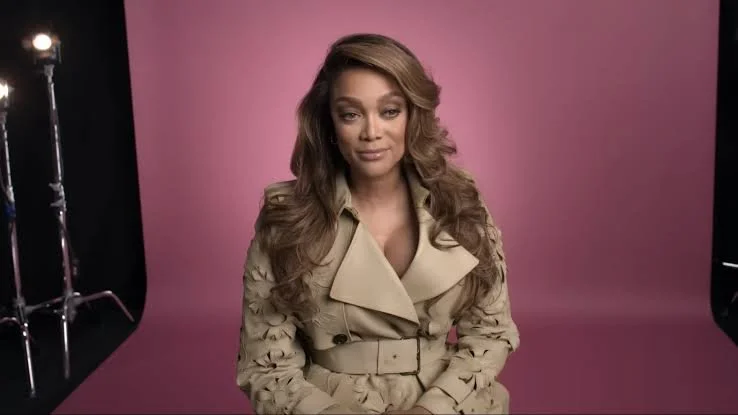
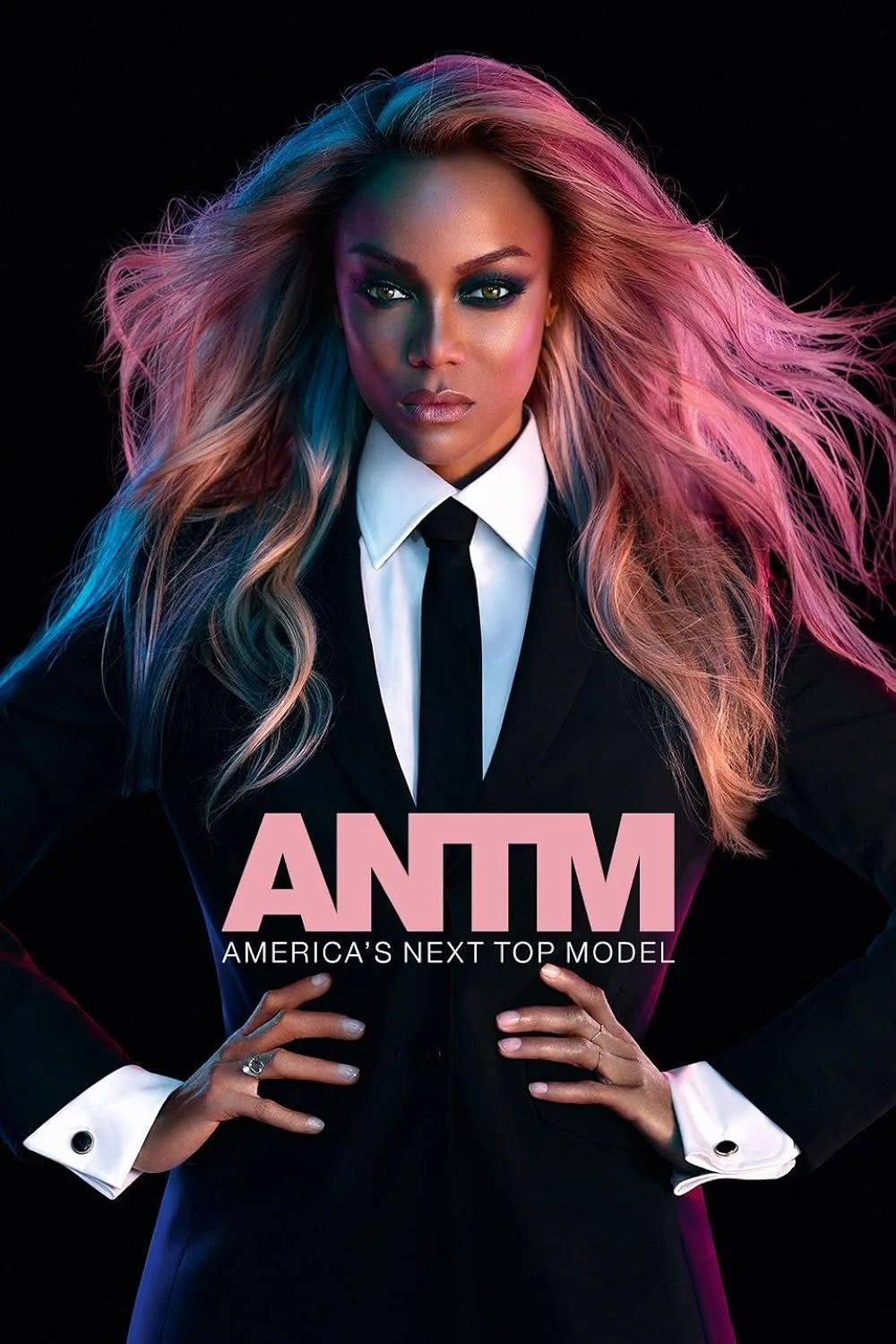
In a surprising turn of events, Tyra Banks has filed a defamation lawsuit against Netflix following the release of their controversial documentary titled "Reality Check." The documentary delves into the behind-the-scenes realities of teen modeling competitions, with a particular focus on Banks' long-running show, "America's Next Top Model" (ANTM), which aired from 2003 to 2015.
"America's Next Top Model" was a groundbreaking series that showcased aspiring models vying for a shot at stardom. Under Banks' guidance as the host and executive producer, the show gained both acclaim and criticism over its portrayal of the modeling industry and the treatment of contestants. While many fans appreciated the platform it provided, others raised concerns about the pressure and challenges faced by the young women involved.
"Reality Check" aims to explore the implications of reality television on mental health and personal identity, with a critical lens on Banks and her role in shaping public perception of modeling and beauty standards. The documentary features interviews with former contestants, industry experts, and cultural critics who reflect on their experiences and the broader societal impact of shows like ANTM.
Since its release, the documentary and Bank's interview has sparked heated debates in various media outlets and social platforms, igniting discussions around the authenticity of reality television and its consequences. Critics have pointed out instances from the show that they argue were exploitative or damaging to participants, with some contestants expressing feelings of betrayal over how they were portrayed.
In response to the backlash that has accompanied the documentary, Banks has taken a stand. In her lawsuit, she claims that it presents misleading information that has tarnished her reputation and defamed her character. Banks argues that the film selectively edits footage and utilizes quotes out of context, leading to a distorted narrative about her intentions and conduct during the show's production.
"I have always championed diversity and empowerment in the modeling industry, and I believe this documentary undermines those values," Banks stated in a recent interview. "I've dedicated my career to lifting others up, and it’s painful to see my work misrepresented."
The lawsuit raises important questions about accountability in the reality television industry and the ethical responsibilities of media producers. As reality shows continue to dominate entertainment, the risks of misrepresentation become more pronounced, particularly for individuals whose lives and careers are subjected to public scrutiny.
Critics of the lawsuit suggest that it may be difficult for Banks to prove defamation, as documentaries often enjoy a wide degree of latitude in presenting opinions and critiques of public figures. On the other hand, advocates for Banks argue that public figures should have the right to defend their reputations against what they perceive to be falsehoods.
As this legal battle unfolds, it reflects broader tensions within the realm of reality television, where the line between entertainment and ethics is frequently blurred. Whether the case leads to meaningful changes in how reality shows portray contestants or simply becomes another chapter in the complex history of "America's Next Top Model," one thing is clear: Tyra Banks is fiercely committed to defending her legacy and the values she stands for in the world of modeling.