Venezuela Attack And The Economic Impact
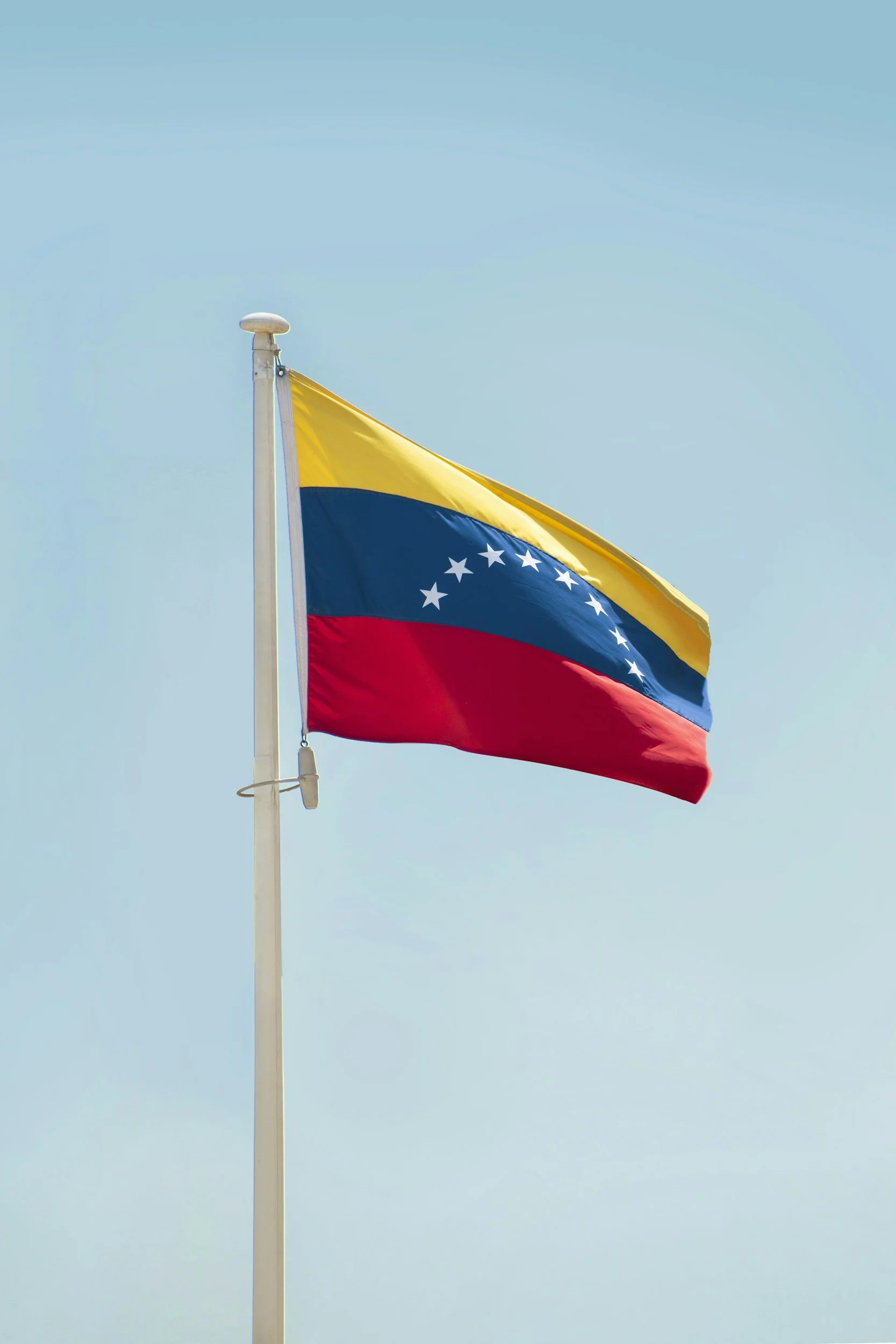
The FAA has issued a ban on U.S. commercial flights in Venezuelan airspace and restricted travel over parts of the Caribbean due to ongoing military activity. The U.S. Department of State maintains its highest "Do Not Travel" advisory for Venezuela, citing a high risk of wrongful detention for U.S. nationals. Americans currently in Venezuela are advised to shelter in place.
In a historic military operation on January 3, 2026, U.S. special forces captured Venezuelan President Nicolás Maduro and his wife, Cilia Flores, during a large-scale strike in Caracas. This action follows months of military escalation by the Trump administration under Operation Southern Spear.
The Capture and Legal Proceedings
U.S. Army Delta Force conducted the raid to seize Maduro from a compound in Caracas. Maduro was subsequently flown to New York on a U.S. warship and is currently held at the Metropolitan Detention Center in Brooklyn. Maduro face federal charges in the Southern District of New York related to narco-terrorism conspiracy, cocaine importation, and weapons offenses. His initial court appearance is expected on Monday, January 5, 2026.
Vice President Delcy Rodríguez was named interim president by Venezuela's Supreme Court. She has denounced the capture as an "illegal kidnapping" and a "barbaric" attack on sovereignty.
President Trump announced that the U.S. will "run" Venezuela on a temporary basis until a "safe, proper and judicious transition" can occur. Trump intends to move major U.S. oil companies into the country to fix "broken infrastructure" and tap into Venezuela's massive reserves. He stated that oil revenue would reimburse the U.S. for "damages caused" by the Maduro regime. Characterizing the intervention as an update to the Monroe Doctrine, Trump has referred to his approach as the "Donroe Doctrine," asserting American dominance in the Western Hemisphere.
Trump indicated that a group of officials, including Secretary of State Marco Rubio and Defense Secretary Pete Hegseth, will oversee the transition.
Trump has publicly distanced himself from opposition leader and Nobel laureate María Corina Machado, claiming she lacks the support to lead the country. Congressional Democrats and some Republicans have condemned the operation, citing a lack of constitutional authority and the absence of a clear exit plan. The Senate is scheduled to vote on a bipartisan war powers resolution to block further military action next week.
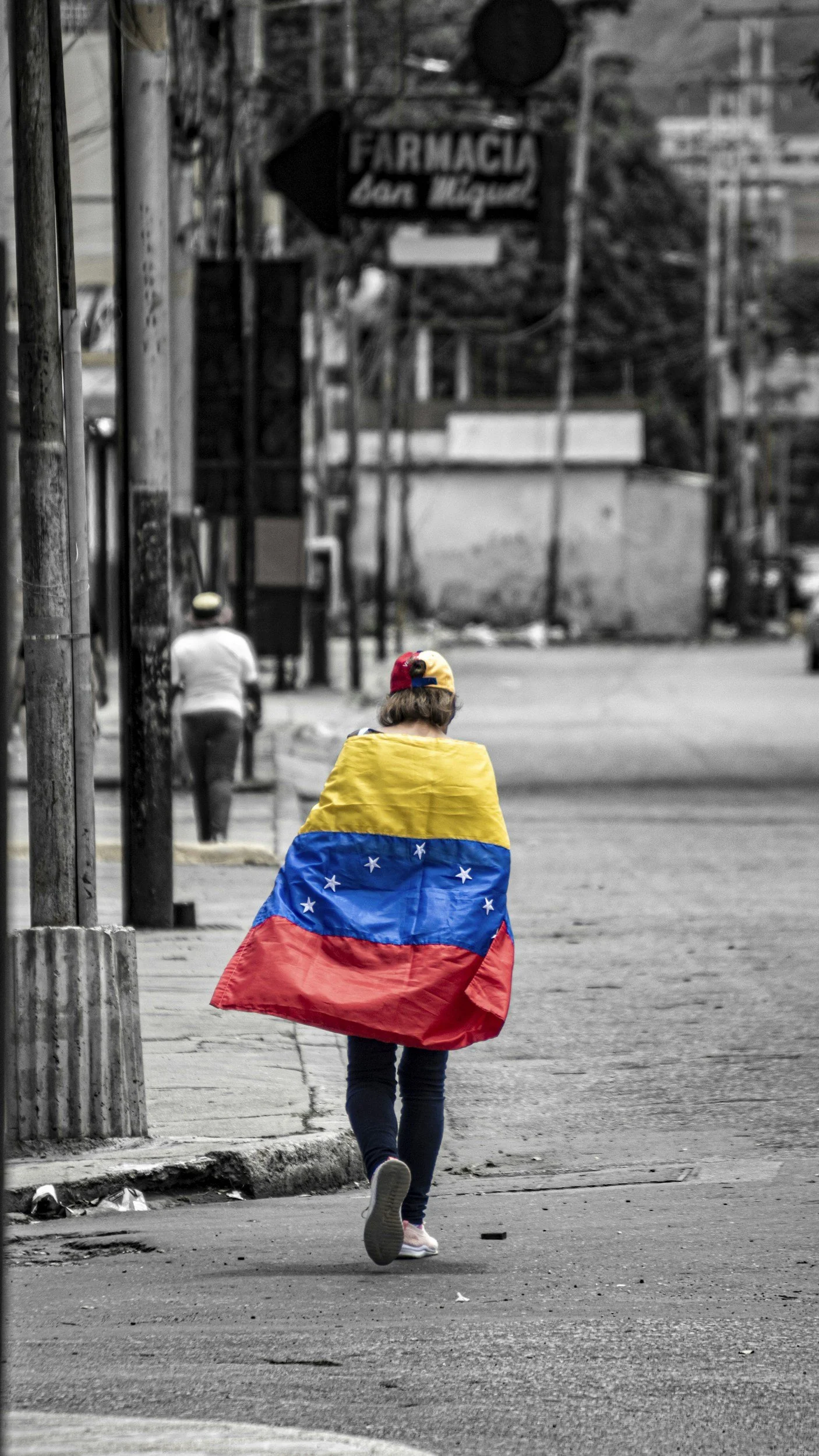
The U.S. Department of State maintains its highest "Do Not Travel" advisory for Venezuela, citing a high risk of wrongful detention for U.S. nationals. Americans currently in Venezuela are advised to shelter in place.
The subsequent capture of Nicolás Maduro have several direct and indirect implications for U.S. citizens.
President Trump stated the U.S. intends to "run" Venezuela and "get the oil flowing". While access to Venezuela’s vast heavy crude reserves could eventually lower U.S. energy costs, analysts warn that the country's decaying infrastructure will require years of investment before production increases significantly. Some projections suggest Texas's oil industry could be negatively impacted if global prices drop too sharply.
Critics in Congress argue the military operation diverts funds and focus from domestic issues like rising healthcare, rent, and grocery costs. The FAA has issued a ban on U.S. commercial flights in Venezuelan airspace and restricted travel over parts of the Caribbean due to ongoing military activity.
The U.S. Department of State maintains its highest "Do Not Travel" advisory for Venezuela, citing a high risk of wrongful detention for U.S. nationals. Americans currently in Venezuela are advised to shelter in place.
The administration framed the operation as a "law enforcement" action to dismantle narcotrafficking networks, claiming it will reduce the flow of illegal drugs into the U.S. While the U.S. aims for a stable transition, immediate instability could trigger a new exodus of refugees. This may increase pressure at the U.S. southern border or impact regional allies like Colombia and Brazil.
The unilateral nature of the attack has drawn condemnation from major regional powers like Mexico and Brazil, potentially straining U.S. diplomatic relations in the Western Hemisphere. Because the operation was conducted without prior Congressional authorization, it has sparked a debate over constitutional war powers and the legality of unilateral regime change.
U.S. citizens may see shifts in global norms, as the capture of a foreign head of state on sovereign soil is being characterized by some international bodies as a violation of the U.N. Charter.