A Reflection on 250 Years of American History Inclusivity for Black Americans
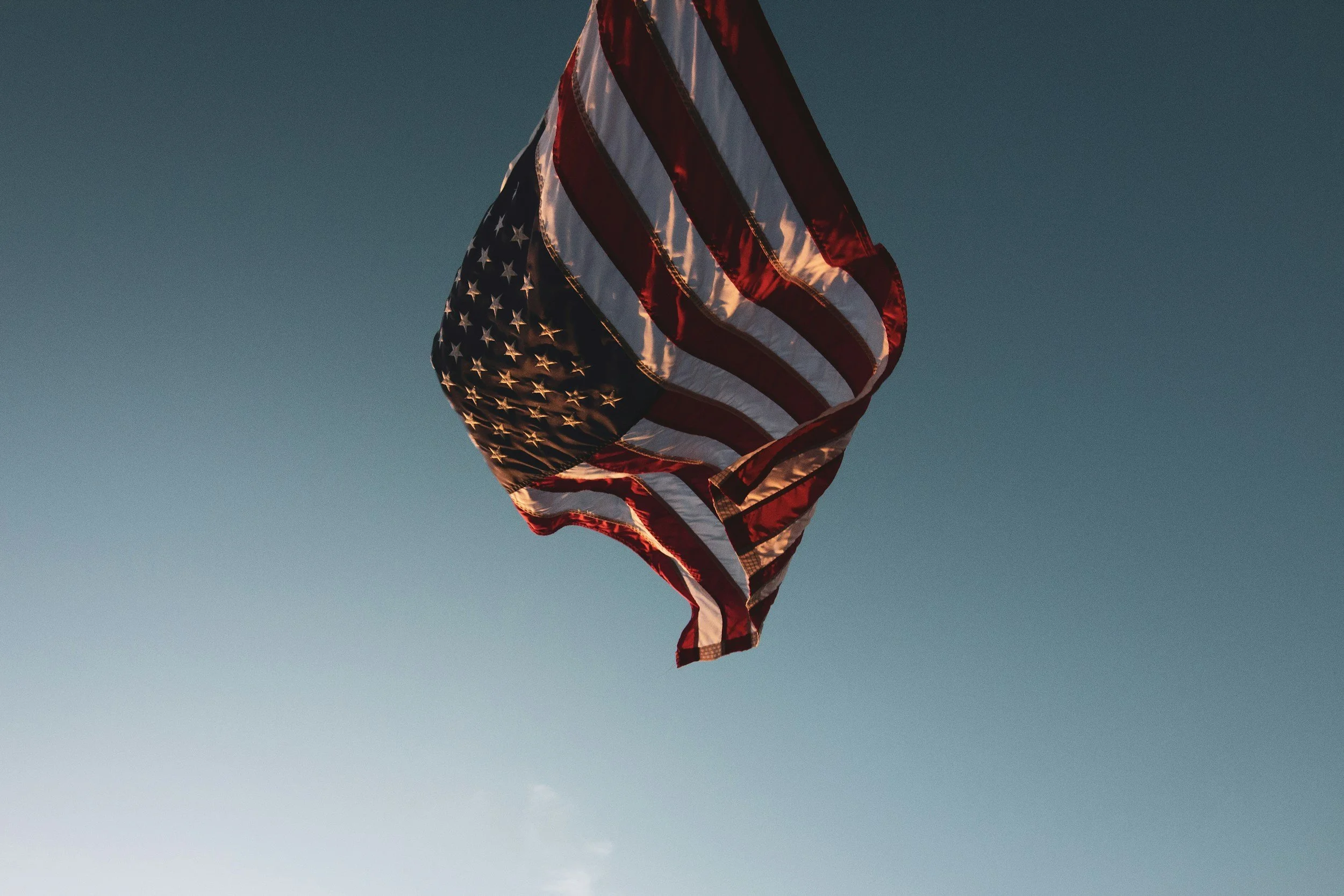
As the nation embraces milestones, such as the upcoming 250th anniversary of the Declaration of Independence, history enthusiasts find themselves reflecting on the inclusive narratives within American history. While this monumental celebration may evoke a sense of pride for many, it is essential to consider whether it genuinely encompasses the experiences and contributions of Black Americans.
From its inception, American history has been marked by contradictions, particularly in its treatment of Black individuals. The Declaration of Independence boldly proclaimed, “all men are created equal,” yet these words did not resonate for the millions of enslaved African Americans who endured unimaginable hardships. Celebrating 250 years without acknowledging this glaring dichotomy poses a significant challenge to the inclusivity of our national narrative. As we delve into the historical context, it becomes evident that Black Americans have played a crucial role in shaping the nation, often in ways that are overlooked or minimized. From the earliest days of American history, enslaved individuals contributed to the economy, culture, and even the formation of the United States itself. The labor of these individuals was integral to the prosperity of the colonies, yet their stories often remain untold in mainstream historical facts. The journey towards freedom and equality continued long after the signing of the Declaration. The resilience and bravery of Black Americans during events such as the Civil War, the Civil Rights Movement, and beyond illustrate a powerful legacy of struggle and triumph.
Figures like Frederick Douglass and Martin Luther King Jr. became beacons of hope, advocating for justice and equality. Their contributions, along with countless others, are essential to understanding the broader tapestry of American history.
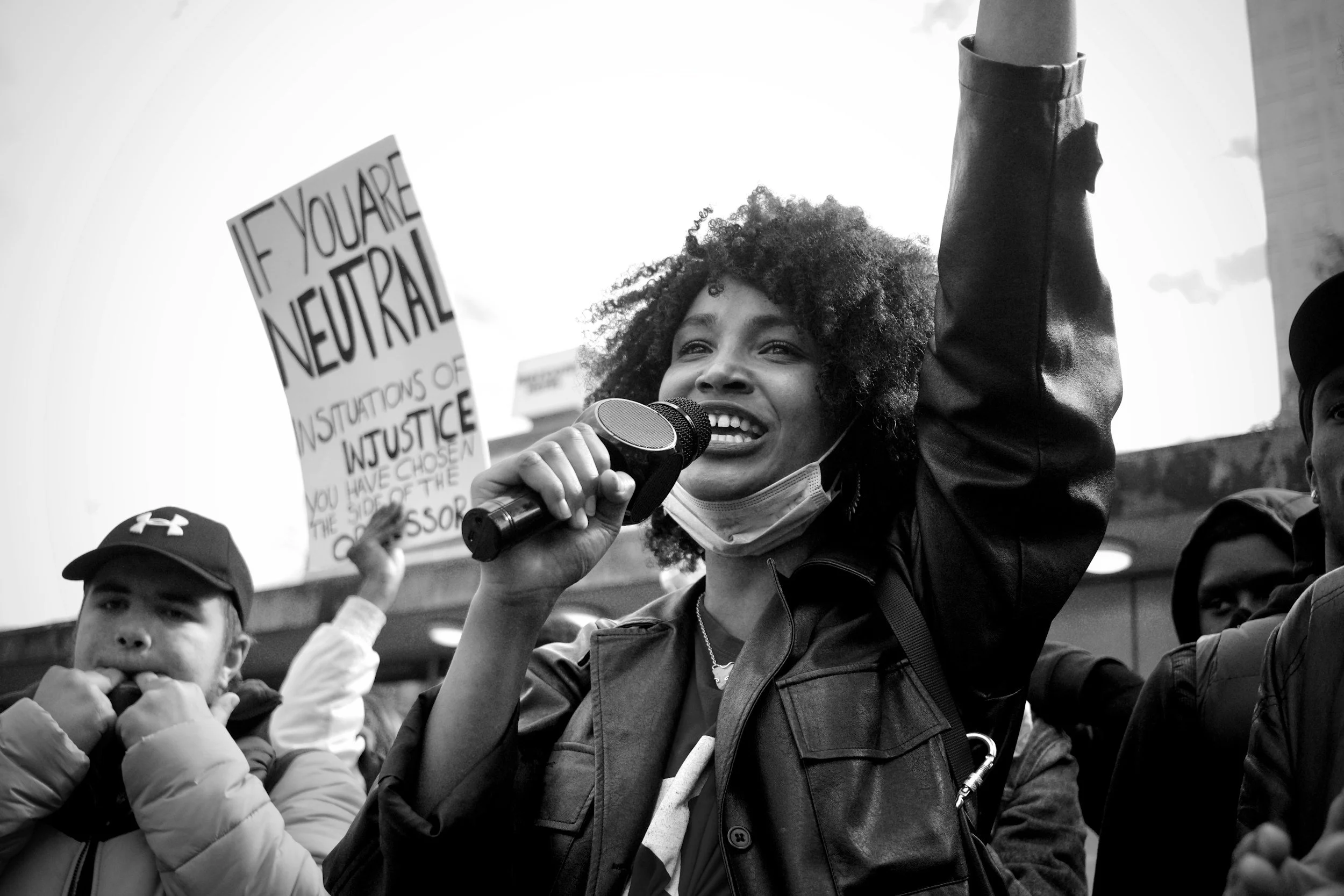
In contemplating the 250th celebration, it is crucial to assess how inclusive this commemoration truly is for Black Americans. Will the stories of those who fought against oppression and contributed to the nation’s development be highlighted? Will educational initiatives during this anniversary focus on the oppressive systems that sought to marginalize Black voices? Critics argue that without a concerted effort to integrate Black history into the broader narrative, the celebration risks becoming a superficial acknowledgment of the past. History enthusiasts must demand an honest reckoning that includes the voices of Black Americans, recognizing their struggles and triumphs as inseparable from the American experience.
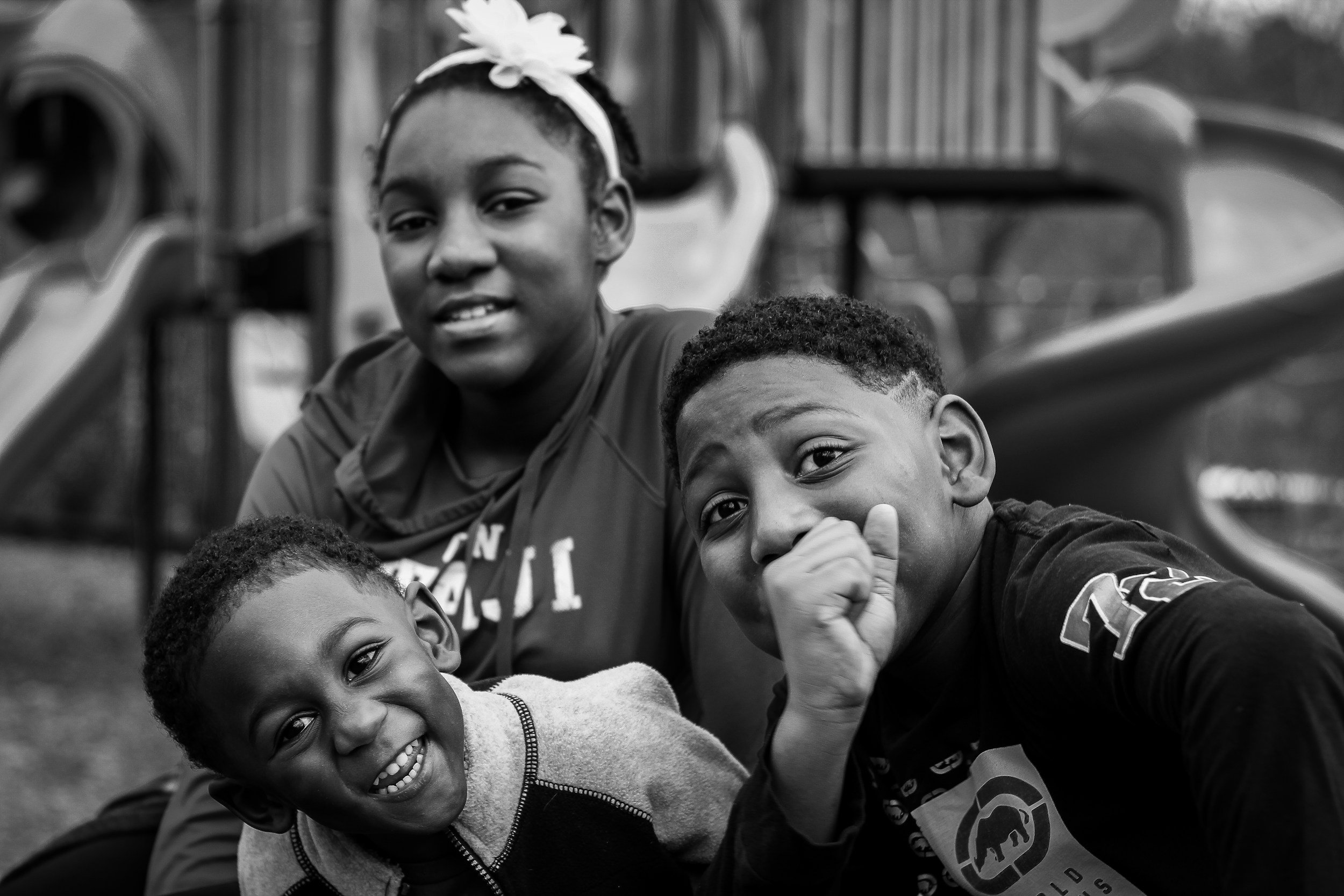
Efforts to create an inclusive narrative must begin now. Schools, museums, and historical societies should prioritize the representation of Black history in their programs and exhibitions. This includes not only the stories of resistance and resilience but also the daily lives and cultures of Black Americans throughout history. By fostering awareness and education around these narratives, we can work toward a more inclusive commemoration that honors all Americans.
As we approach this landmark anniversary, the question remains.
How will we choose to celebrate our history?
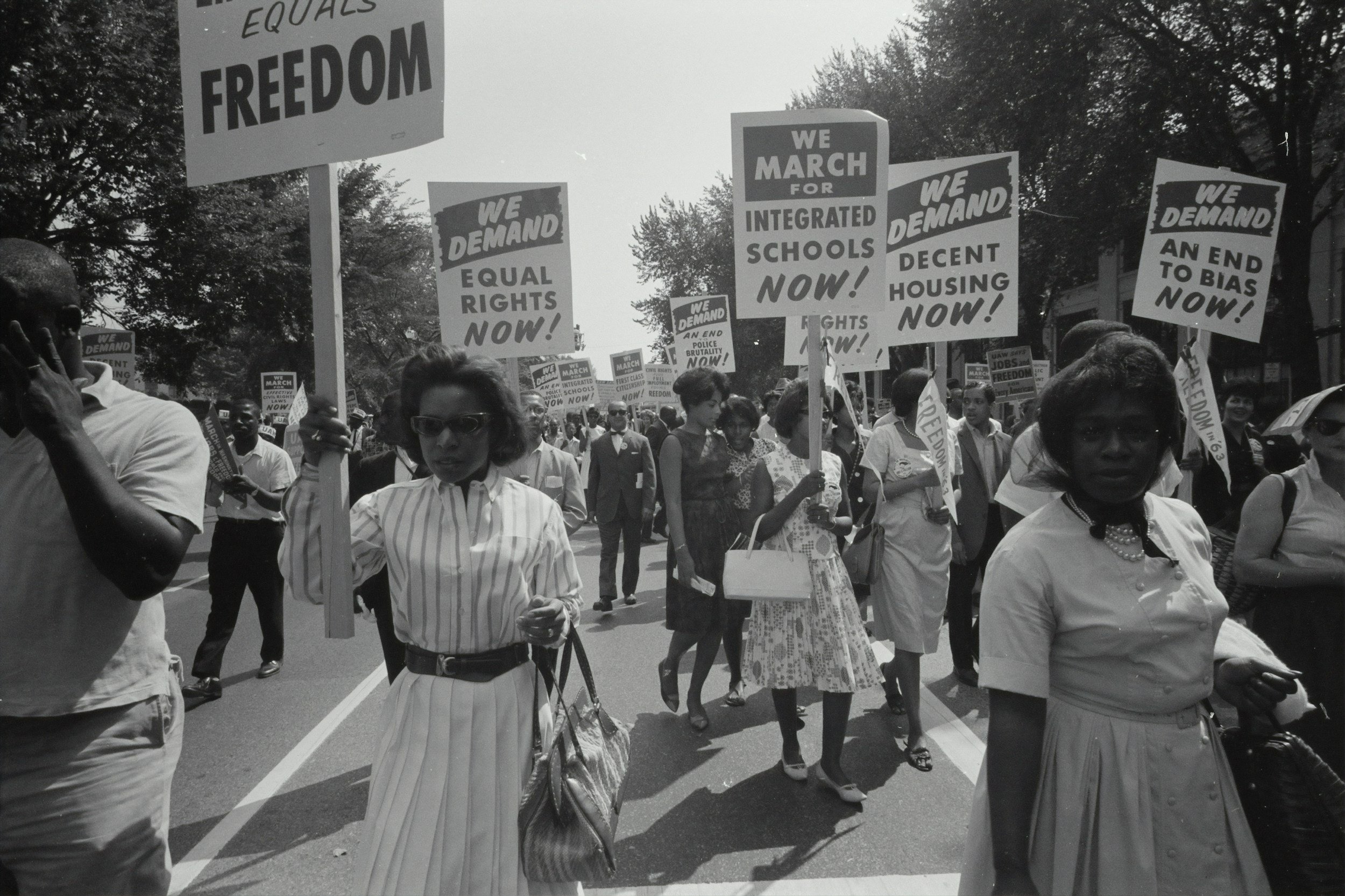
By ensuring that the contributions of Black Americans are included in the narrative, we can pave the way for a richer, more nuanced understanding of our past. Only then can we truly embrace the spirit of unity and equality that the Declaration of Independence sought to uphold for all. Through this lens, the 250th celebration can serve not just as a reflection of pride but as a call to action for a more inclusive future for all Americans.