Understanding Legionnaires' Disease: What You Need to Know
In recent weeks, New York has reported a concerning outbreak of Legionnaires’ disease, drawing attention to this serious respiratory illness. For health-conscious individuals and families, understanding what Legionnaires' disease is and how to protect themselves is crucial.
What is Legionnaires' Disease?
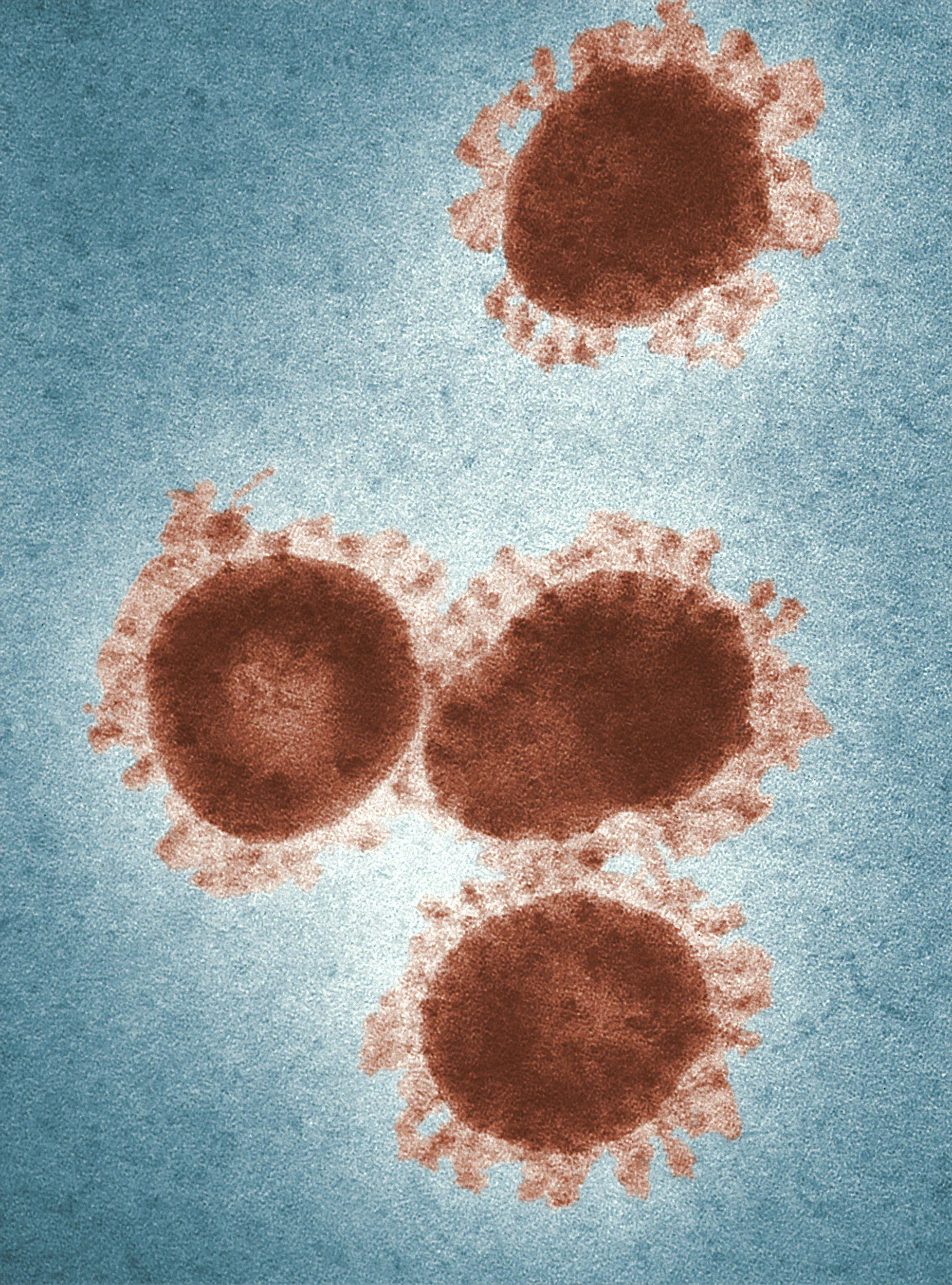
Legionnaires' disease is a severe form of pneumonia caused by the bacteria Legionella. These bacteria can be found in natural bodies of water, such as lakes and rivers, but they also thrive in human-made environments, particularly in warm water systems like hot tubs, cooling towers, and plumbing systems. When aerosolized water containing Legionella is inhaled, it can lead to infection. Symptoms of Legionnaires' disease often include high fever, chills, cough, chest pain, and shortness of breath. Many patients also experience muscle aches, headaches, and gastrointestinal issues. While it can affect anyone, those most at risk include individuals 50 years and older, smokers, and those with weakened immune systems or chronic health conditions.
Recent Outbreak in New York The current outbreak in New York has raised alarms, as dozens of cases have been reported. Authorities are actively working to identify the source and are urging the public to remain vigilant. The outbreak highlights the importance of understanding how Legionnaires' disease spreads and how to minimize risk.
Protecting Yourself from Legionnaires' Disease
1. Stay Informed: Follow local health department updates regarding the outbreak. They often provide information about affected areas and potential sources, which can help you avoid exposure.
2. Monitor Water Source Hazards: If you live in or visit an area where there has been an outbreak, be cautious with your water sources:
Avoid Potential Sources: Be wary of public hot tubs, showers in hotels, and other communal water features where the risk of aerosolized Legionella is higher.
Check Your Home Water System: Ensure that your home’s plumbing is in good repair and that water heaters are set to at least 140°F, as temperatures above this can help reduce the risk of Legionella proliferation.
3. Good Hygiene Practices: Regularly clean and disinfect any water features in your home, including hot tubs, decorative fountains, and cooling units.
4. Health Awareness: If you have any symptoms related to pneumonia or respiratory distress, especially if you've been in an area with reported outbreaks, seek medical attention promptly. Early diagnosis and treatment are critical.
5. Engage with Community Resources: Many health departments and community organizations provide information and resources regarding outbreaks. Check their guidance on protective measures and localized risks.
As the recent Legionnaires' disease outbreak in New York serves as a reminder, understanding and taking proactive measures can be essential in protecting yourself and your loved ones. By staying informed and taking appropriate precautions, you can significantly reduce your risk and maintain your health amidst such developments. Always consult with healthcare professionals if you're unsure or have concerns about health-related issues. Together, we can navigate these challenges and prioritize our well-being.