Are Fast Food Chains Serving Imitation Meat? A Closer Look at Growing Concerns
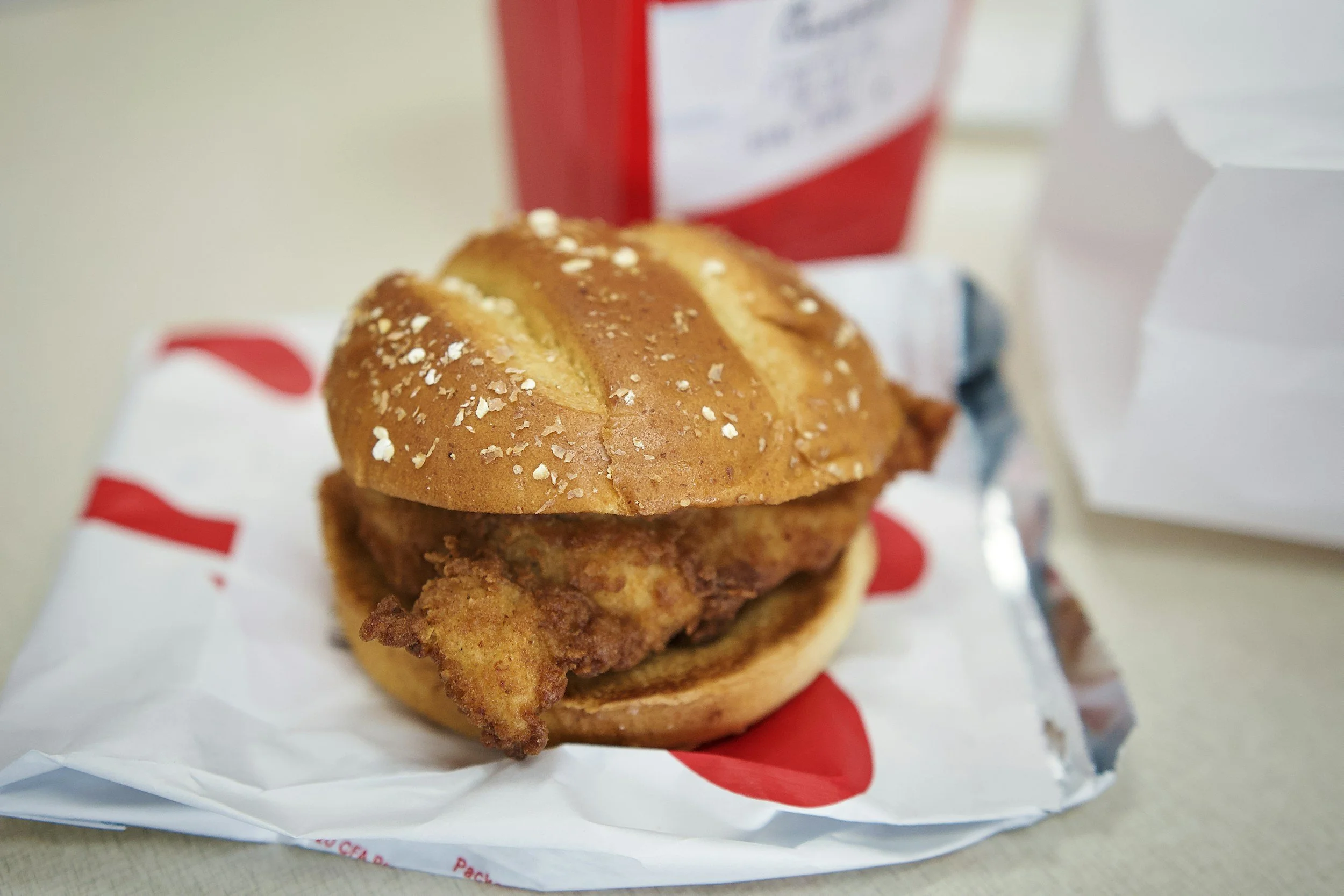
In recent months, an unsettling trend has emerged among fast food enthusiasts as customers across the globe took to social media to share their shocking experiences with chicken sandwiches and hamburgers. Many have described the texture of these popular menu items as reminiscent of “spaghetti meat,” raising doubts about whether real poultry and ground beef are truly being served. This suspicion has prompted calls for accountability from fast food chains, leading to discussions about food quality and the need for transparency in the industry.
Fast food chains have long faced scrutiny over their ingredients and sourcing methods. However, the recent wave of reports seems to step up the urgency. Videos and images posted by frustrated customers depict chicken sandwiches with a peculiar texture that starkly contrasts with what one would expect from actual chicken. Similarly, hamburgers described as having an unusual consistency have left customers baffled and, in some cases, feeling misled about what they are actually consuming. As the fast food industry experiences an explosion of growth and competition, some companies may be tempted to cut costs and increase profit margins by opting for lower-quality ingredients or substituting actual meat with fillers and additives. While some fast food chains have responded by emphasizing quality control measures and sourcing responsibly, the doubts expressed by consumers suggest that more transparency is needed.
Safety and health are significant concerns, and customers have every right to know what they are paying for, especially when it comes to meat products. The texture discrepancies noted in various reviews have caused alarms to ring among consumers who value food integrity and quality. If patrons perceive that they are being served anything less than real meat, it undermines trust in the entire fast food institution. The lack of definitive regulations on meat labeling and food quality in some regions further complicates the matter. While companies are often required to disclose certain information regarding their food ingredients, the fine print can sometimes leave loopholes for ambiguity. This situation makes it essential for consumers to advocate for greater transparency and for regulatory bodies to tighten measures surrounding food labeling practices.

Fast food chains need to address these accumulating concerns head-on. This can include conducting independent quality assessments, sharing sourcing details with their customers, and boosting transparency around their cooking processes. Engaging with consumers through social media platforms, while providing clarity regarding food preparation and ingredient sourcing, could go a long way in rebuilding trust. Those who grew up enjoying fast food as a quick and affordable dining option now find themselves questioning what they are eating, which is a significant cultural shift. In an age where ingredient sourcing can be traced back to the farm, fast food could secure customer loyalty by demonstrating tangible commitments to using real ingredients.
The recent outcry over “spaghetti meat” textured meals highlights a crucial need for corporations to prioritize food quality and transparency. For consumers, it’s imperative to stay informed and vocal about their experiences, prompting fast food chains to uphold the standards of authenticity in their menu offerings. Only time will tell if the industry will respond constructively to these concerns, but conscious consumer advocacy may just be the catalyst needed for change.