Fans Mourn Rue Bennett A Reflection on Connection in Euphoria
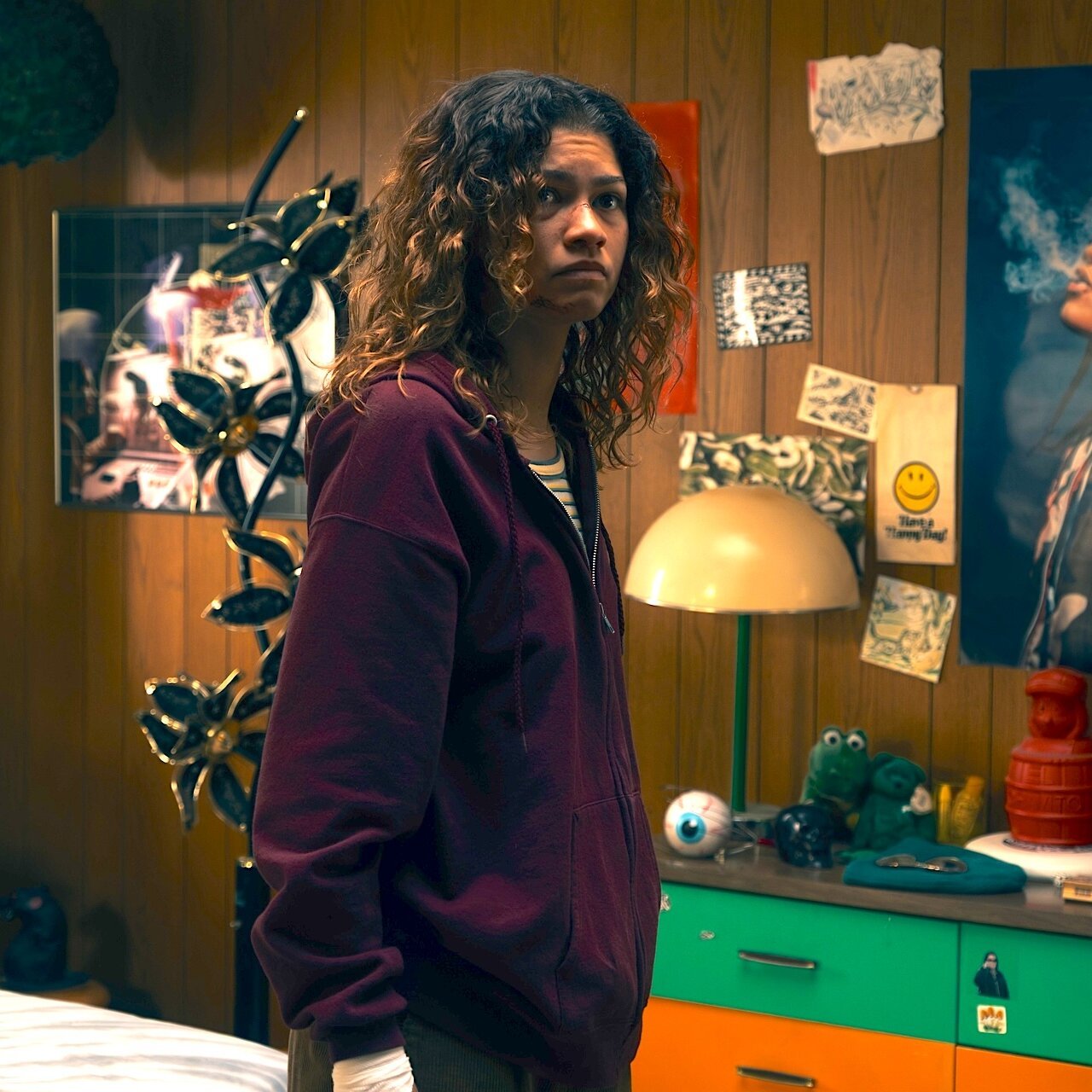
As fans of the critically acclaimed series "Euphoria," it's impossible to ignore the profound impact Rue Bennett, played by Zendaya, has had on viewers. Rue's journey through addiction, mental health struggles, and the complexities of adolescence has resonated with many, leading to a deep emotional connection that fuels the mourning many feel following significant plot developments in the show.
At its core, "Euphoria" isn’t just about the events that transpire; it is an exploration of human emotions and vulnerabilities that strike a chord with young adults and those who remember the turbulence of adolescence. Rue, a character entrenched in the world of substance abuse, represents more than just a story of addiction; she symbolizes the broader issues of isolation, identity exploration, and the often harsh realities of growing up in today’s society.
For many viewers aged 25 and younger, Rue’s struggles reflect their own battles or those of their friends. The authenticity with which Zendaya portrays Rue draws viewers in, making them feel as if they are experiencing her pain and moments of triumph firsthand. This intense connection goes beyond passive viewing; it invites audiences to empathize deeply, breaking down barriers that often exist in discussions about mental health and addiction. Rue’s narrative is laced with raw honesty that highlights the complexity of her character. She is flawed yet relatable, often oscillating between hope and despair. This duality is what makes her so compelling. Viewers see themselves in her struggles, whether they’ve faced addiction, anxiety, depression, or the pressure of societal expectations. This reflection creates a space for understanding and solidarity among fans, fostering a communal sense of grief when she experiences pain or loss.
Rue's story is not just hers; it branches into the lives of those around her, intertwining the connections between characters like Jules, Fez, and Lexi. Each character grapples with their own issues, and Rue’s journey impacts them profoundly. By showcasing how her actions reverberate through her relationships, the show highlights the interconnectedness of human experiences. This network of connections amplifies the impact of Rue's character, as viewers witness the collateral damage that addiction can inflict on family and friendships.
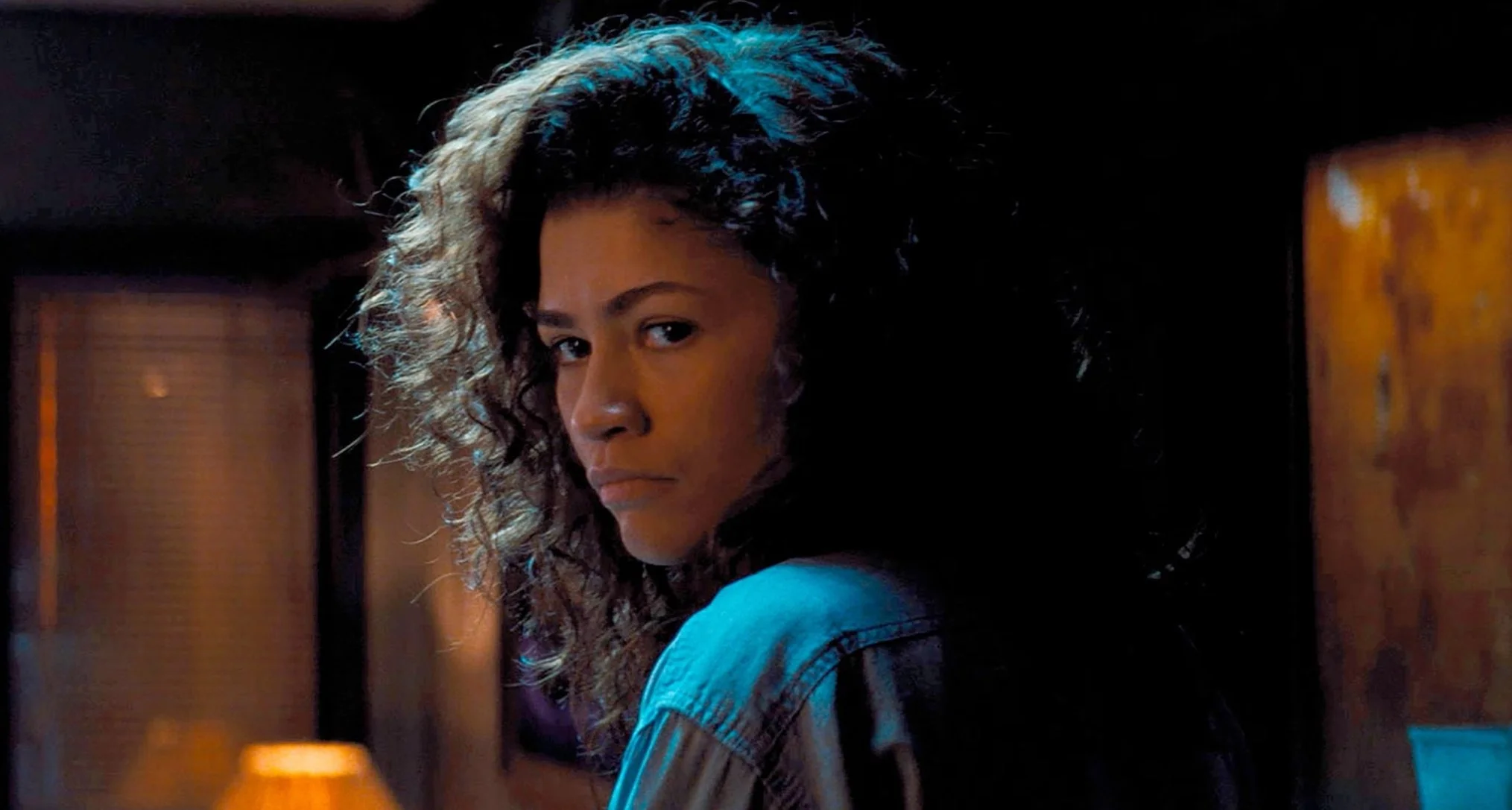
The mourning of Rue Bennett, especially after pivotal moments in the series, reflects a collective loss felt by viewers. It’s akin to losing a friend or loved one whose struggles were so vividly portrayed that they appeared to be real, living breathing individuals rather than mere characters on a screen. This attachment is what enlivens the conversations about mental health within the fandom and extends beyond the show itself, providing a platform for discussion and awareness.
In the end, Rue’s character serves as a mirror to the trials and tribulations many face: the search for identity, the weight of expectation, and the heavy burden of mental illness. Her struggles echo across generations, illustrating the timeless nature of these issues. Mourning her loss is not just about saying goodbye to a beloved character; it's about acknowledging the myriad stories she encapsulated and the shared human experience she came to represent. As we continue to grapple with these themes, Rue will forever remain a powerful symbol of resilience, reflection, and the complex road that is adolescence.