Judge Dismisses Cases Against Comey And James
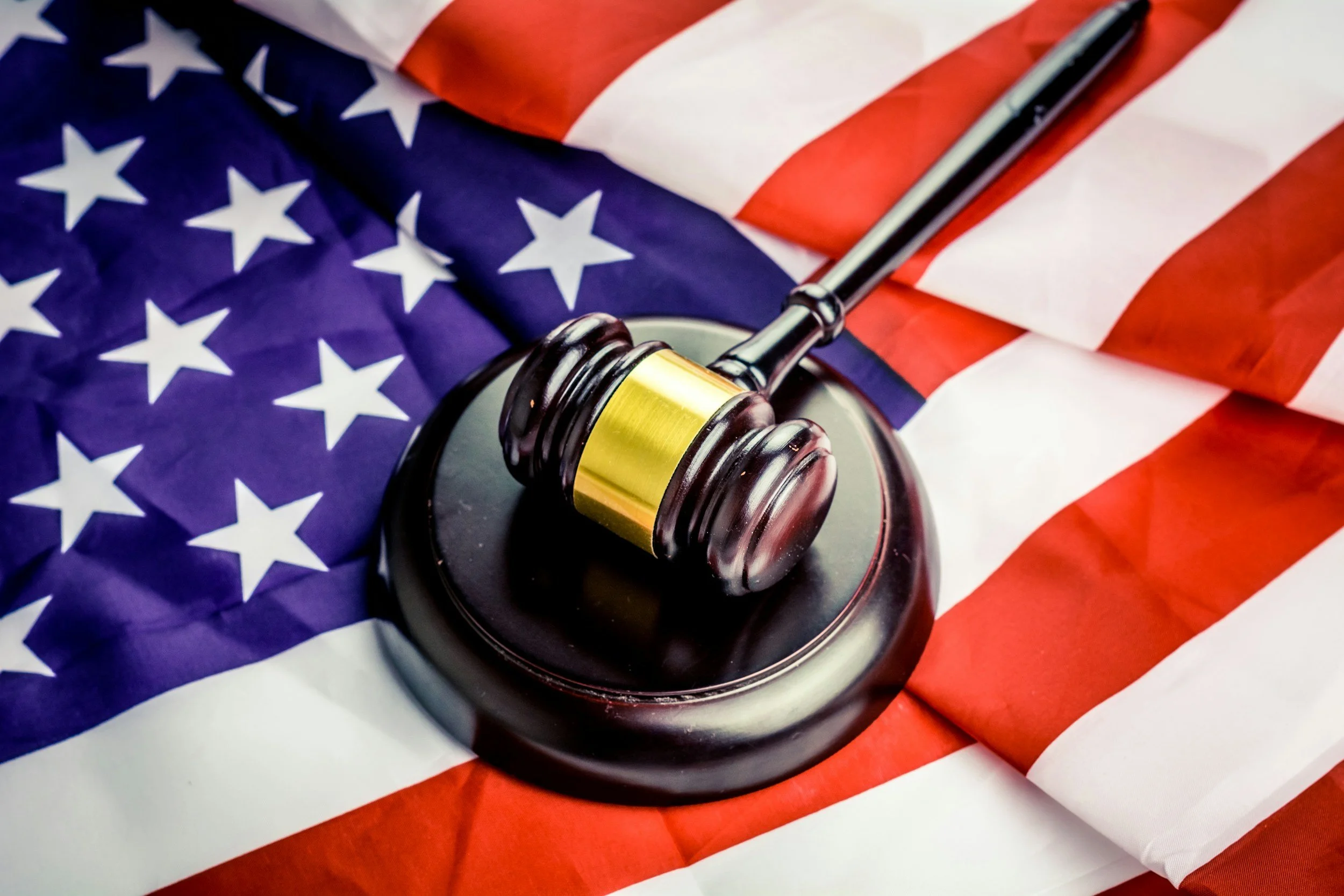
A federal judge has dismissed the criminal cases against former FBI Director James Comey and New York Attorney General Letitia James, ruling that the special prosecutor handpicked by President Trump for these cases was unlawfully appointed.
U.S. District Judge Cameron McGowan Currie found that the interim U.S. Attorney, Lindsey Halligan, had no legal authority to bring the indictments because her appointment by Attorney General Pam Bondi violated federal law and the Constitution's Appointments Clause. The judge ruled that after the previous U.S. attorney resigned under pressure for refusing to pursue the cases, the authority to name an interim replacement shifted to the federal judges in the district, not the Attorney General. Therefore, all actions taken by Halligan, a former personal lawyer to Trump with no prior prosecutorial experience, were invalid. James Comey was indicted on charges of making false statements to Congress and obstructing a congressional proceeding related to his 2020 testimony about the FBI's Russia investigation. Letitia James was indicted on bank fraud and false statement charges related to a mortgage application for a home in Virginia.
Both Comey and James, who have been vocal critics of the President and pursued investigations into his conduct and business, claimed they were victims of a politically motivated "vindictive" prosecution. The cases were dismissed without prejudice, meaning the Justice Department could potentially refile the charges.However, Comey's lawyers argue that the five-year statute of limitations has expired for his alleged crimes, making a new indictment unlikely. The statute of limitations in James's case has not yet expired, so she could face new charges.
The White House and Attorney General Bondi announced their disagreement with the ruling and their intent to file an immediate appeal. Comey and James both issued statements expressing gratitude for the ruling and denouncing the prosecutions as a misuse of the Justice Department.
Why Halligan's Appointment Was Challenged
Lindsey Halligan's appointment as the interim U.S. Attorney for the Eastern District of Virginia was challenged because it was made in direct violation of a specific federal statute, 28 U.S.C. § 546, which Congress enacted to align with the Appointments Clause's requirements for temporary vacancies.
The statute allows the Attorney General to appoint an interim U.S. Attorney for a single 120-day period after a Senate-confirmed U.S. Attorney resigns. The previous interim U.S. Attorney, Erik Siebert, had served this term, which expired on May 21, 2025.
After that initial 120-day window expires, the statute clearly states that the exclusive authority to make further interim appointments shifts to the federal district court for that region until a permanent, Senate-confirmed nominee is in place. Attorney General Pam Bondi installed Halligan in the role in September 2025, long after the Attorney General's 120-day authority had expired. The judge ruled that this attempt by the Executive Branch to make an appointment when the power had already shifted to the judiciary was an "unlawful exercise of executive power" that bypassed the intended checks and balances of the Appointments Clause.
Because Halligan was not lawfully appointed, she lacked the legal authority to bring the indictments against James Comey and Letitia James, leading the judge to dismiss those cases.