First Lady Michelle Obama’s Documentary ‘Becoming’ Resurgence
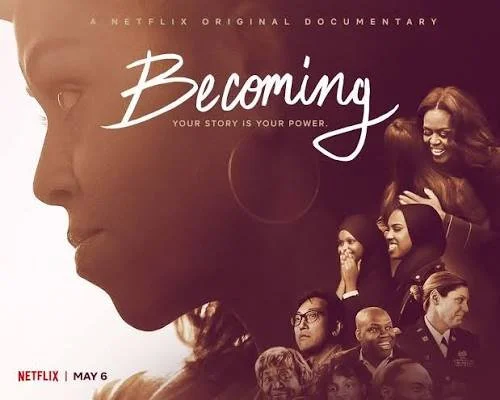
In just a few days, the Netflix documentary featuring former First Lady Michelle Obama has made a striking comeback, soaring to the top of the platform’s most viewed listings. This documentary, originally released amid the buzz of her memoir Becoming, showcases not just Obama’s life but also her advocacy for education, healthy living, and the empowerment of young girls. With its resurgence as a popular choice among viewers, many are eager to explore why this film has captured the attention of audiences once again.
The documentary offers an intimate look at Obama’s journey from her childhood in Chicago to her time in the White House. It encapsulates her struggle and triumph while tackling profound issues such as race, inequality, and mental wellness, echoing themes that resonate strongly in today’s societal climate. As important as these themes are, the documentary excels at portraying Obama’s relatability. She shares candid stories about her life experiences, engaging audiences on a personal level and inviting them to reflect on their own journeys, which creates a powerful connection.
One of the standout aspects of the film is Obama’s commitment to education. As an advocate for knowledge and learning, she emphasizes the importance of inspiring future generations. Her message is particularly salient now, as the world faces unprecedented challenges in educational access and quality, exacerbated by the global pandemic. Audiences appear to be drawn to her determination to uplift young people, particularly girls, and empower them to realize their potential.
Moreover, the documentary doesn't shy away from discussing the challenges she faced as a woman of color in a prominent political role. Michelle Obama’s candid reflections on race and gender demonstrate not just her personal experience, but also broader societal issues. This element of her narrative resonates deeply in the current dialogues surrounding race and equality, making it especially relevant today.
The film also underscores the importance of mental health, as Obama touches on her experiences with stress, self-doubt, and the pressures of public life. This candidness helps to demystify these experiences, encouraging more open conversations about mental wellness among viewers. In a time where self-care has become increasingly prominent, Obama’s honesty serves to normalize these discussions, allowing individuals to relate to her struggles and seek help where needed.
Overall, the resurgence of interest in Michelle Obama’s documentary speaks volumes about the timely nature of her message. It serves as a reminder of the impactful roles that public figures can play in promoting awareness, addressing societal issues, and fostering a sense of community. As the world continues to grapple with significant challenges, her documentary remains a beacon of inspiration, motivating viewers to engage thoughtfully with their own lives and the lives of those around them.
What Makes A Difference With Viewers?
Melania Trump's documentary opened, with viewership jumping more than 13,000% compared with the previous weekend. That put it back into the platform’s most-watched lists years after its original release. Melania’s documentary technically had a strong opening weekend documentary box office in the U.S. — about $7 million — partly due to advance marketing and interest from conservative audiences. Original estimation was $5 million. Keep in mind, the alleged budget is widely speculated to be close to $75 million. That includes marketing.
Professional critics overwhelmingly panned the film for lack of storytelling depth, relevance, and meaningful insights. On review aggregators, it has very low critic scores, which dampens broader interest beyond niche circles.
Many commentators (including in major outlets) describe the Melania film less as a documentary and more as a political branding exercise or personal image management, which limits its appeal to general audiences who don’t already follow her closely.
There are ongoing debates about whether the reported box office was influenced by bulk ticket purchases, coordinated showings, or promotional giveaways — not purely organic ticket sales. That clouds whether the early figures represent genuine wide-scale interest.
Outside the U.S., the documentary has struggled to find traction. In places like the UK and Australia it performed poorly or modestly compared with local films, and some foreign theaters even pulled the film.
Michelle Obama’s documentary is doing well again mainly because it’s a well-liked, emotionally engaging film with strong organic interest and social media momentum. In contrast, Melania Trump’s documentary is facing criticism for its narrative approach, limited appeal, and the perception that its performance is driven more by branding than by universal audience engagement — which has kept it from breaking out beyond specific fan bases.
This renewed interest might just pave the way for more stories that inspire and educate, showcasing the powerful influence of cinema and streaming in shaping public discourse today.