The Role of Representation and Critique in Hollywood on Cultural Hairstyles
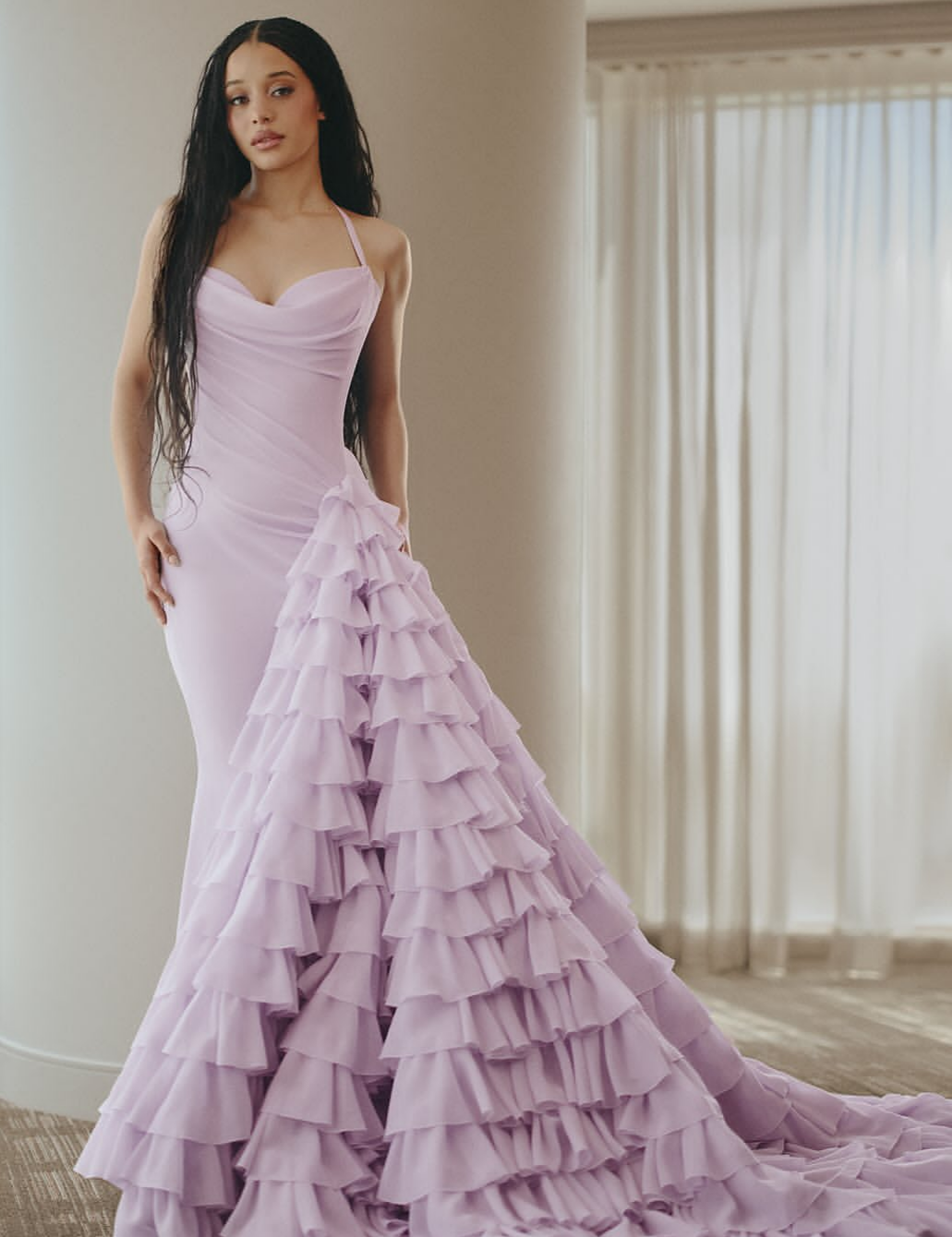
In an industry that often highlights the glitz and glamour of awards season, criticisms can sometimes overshadow the achievements of the artists involved. This was clearly seen during this year's Oscars when actress Chase Infiniti, the star of the anticipated film, “One Battle After Another,” faced weird backhanded comments for her choice of hairstyle. Comments arose specifically regarding her decision to wear braids, a culturally rich and significant style. Zanna Roberts Rassi with E! News decided to point out what was wrong with Chase's hair.
Rassi described Infiniti's boho knotless braids as looking "almost like undone hair" in contrast to her "done dress". Although the reporter appeared to be attempting a compliment by suggesting the hair mirrored the ruffles on Infiniti’s custom Louis Vuitton gown, the remark sparked significant backlash online.
"Let's think about this awesome, almost like undone hair with the done dress. Actually, it's mirroring the ruffles on the dress, that beautiful hair".
Many viewers, particularly Black women, criticized the use of the word "undone" as a microaggression, noting that the hairstyle is an intentional, highly skilled, and popular protective style.
Chase Infiniti, who has become a symbol of empowerment in her roles, celebrated diversity and authenticity through her appearance on the Oscars red carpet. Choosing to wear braids, she made a bold statement about cultural pride and identity. However, a reporter’s negative remarks about her hairstyle not only sparked controversy but also ignited conversations about cultural appropriation and representation in Hollywood. Critical responses to Infiniti's hairstyle illuminated the complexities of race and beauty standards in the entertainment industry. Many felt the reporter's comments reflected a broader trend where Black individuals are often scrutinized for their hairstyles, while styles that are adopted by non-Black individuals receive praise. Critics noted that it is essential to recognize that hairstyles like braids have a cultural significance that extends beyond mere aesthetics; they are woven into the fabric of African history and identity. This is not the first time someone has made negative comments about braids on the red carpet. Giuliana Rancic, who was a host on the E! network show Fashion Police felt the need to poke fun at star Zendaya for her hairstyle choice.
While discussing Zendaya's 2015 Academy Awards look, where she wore faux dreadlocks, Rancic stated on Fashion Police that the hairstyle made it seem like Zendaya smelled of "patchouli oil" or "weed".
The remarks were widely criticized as racist and stereotypical, prompting Zendaya to respond on Instagram and Twitter, calling the comment "ignorant slurs and pure disrespect". Following the intense backlash, Giuliana Rancic issued an on-air apology, stating that she "crossed the line" and that the incident was a "learning experience". Zendaya accepted the apology.
Support for Chase Infiniti poured in across social media, with fans and fellow creatives rallying in her defense. Hashtags emerged, celebrating her choice and challenging the outdated narratives that still linger in Hollywood. Many pointed out that this incident serves as a reminder of the need for broader acceptance and understanding of cultural expressions, especially in spaces like the Oscars that aim to celebrate artistic achievement.
The backlash against the reporter's comments also drew attention to how the media can perpetuate harmful stereotypes and contribute to the marginalization of specific groups. Many advocates for inclusion in the industry called for a reflection on how the narratives surrounding beauty, professionalism, and ultimately, success are constructed often to the detriment of artists who seek to express their true selves.
Chase Infiniti’s hairstyling choice resonated beyond the red carpet; it opened up discussions about identity, pride, and the importance of representation in film. Her role in One Battle After Another represents more than just a character; it stands as a beacon for young artists of color striving to find their voices in an industry that can sometimes feel unwelcoming.
Importantly, this incident serves as a critical lens through which to view progress in Hollywood. While steps have been made toward diversity and representation, instances like these highlight that there is still much work to be done. The dialogue surrounding Infiniti's braids reflects a growing consciousness around the significance of culturally meaningful expressions and the respect they deserve in public spaces.
As Chase Infiniti continues to break boundaries in her career, it’s crucial that society recognizes the importance of representation in all forms. Her Oscar moment serves as a reminder that every choice from the roles actors play to the styles they embrace carries the weight of history and culture. For audiences, it’s a call to celebrate that richness and for critics, it’s a moment to reconsider how words can impact the narratives surrounding our artists. The true battle, after all, is not just on-screen but in the hearts and minds of those who watch and write.