Reshona Landfair Breaks Silence In New Memoir About R. Kelly Unveiled
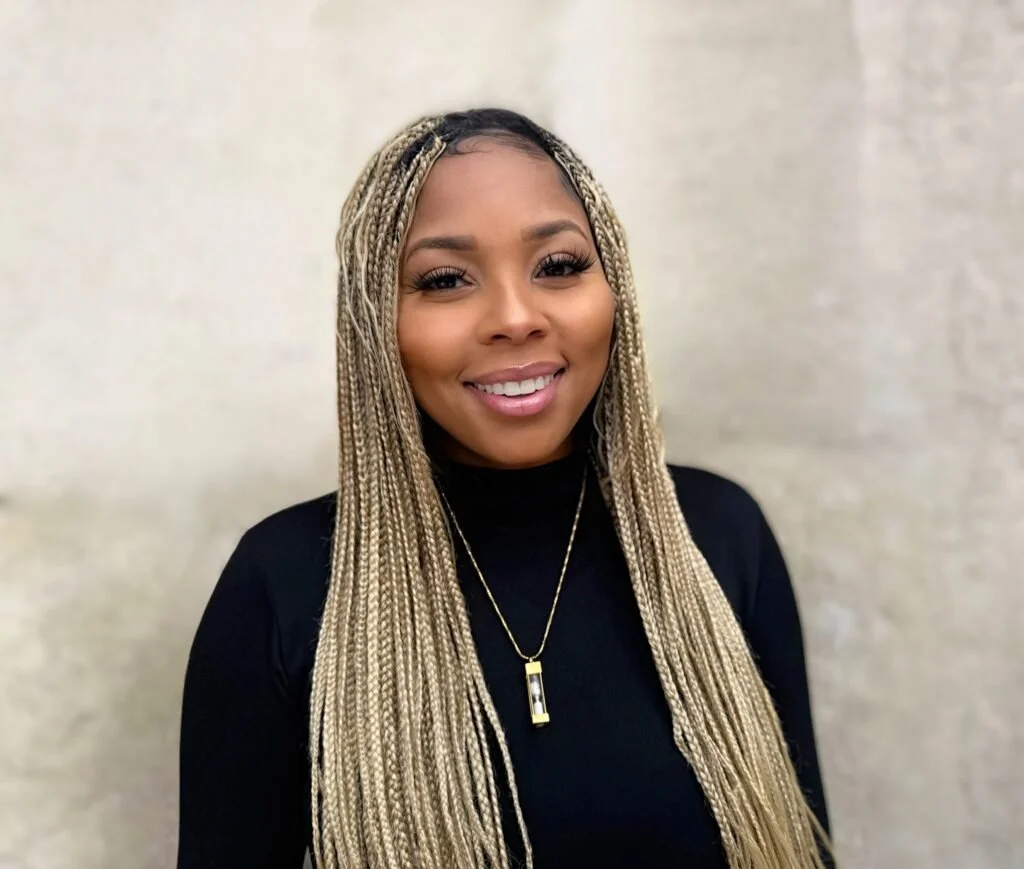
Reshona Landfair is a survivor of R. Kelly, historically known as "Jane Doe" in the infamous 2001 leaked sex tape. For over 25 years, she remained anonymous while being at the center of multiple legal battles and public scandals. Now 41 years old and a mother, Landfair is focused on advocacy and helping other survivors.
In a poignant revelation that adds to the ongoing narrative surrounding the infamous R. Kelly, Reshona Landfair has come forward to recount her harrowing experience with the disgraced singer when she was just 14 years old. Landfair’s testimony shines a light on the systemic exploitation that often goes unreported, raising critical questions about consent and the responsibility of those in positions of power in the music industry. This article delves into Landfair's story, the implications of her claims, and the broader cultural conversation about accountability in the wake of Kelly's conviction.
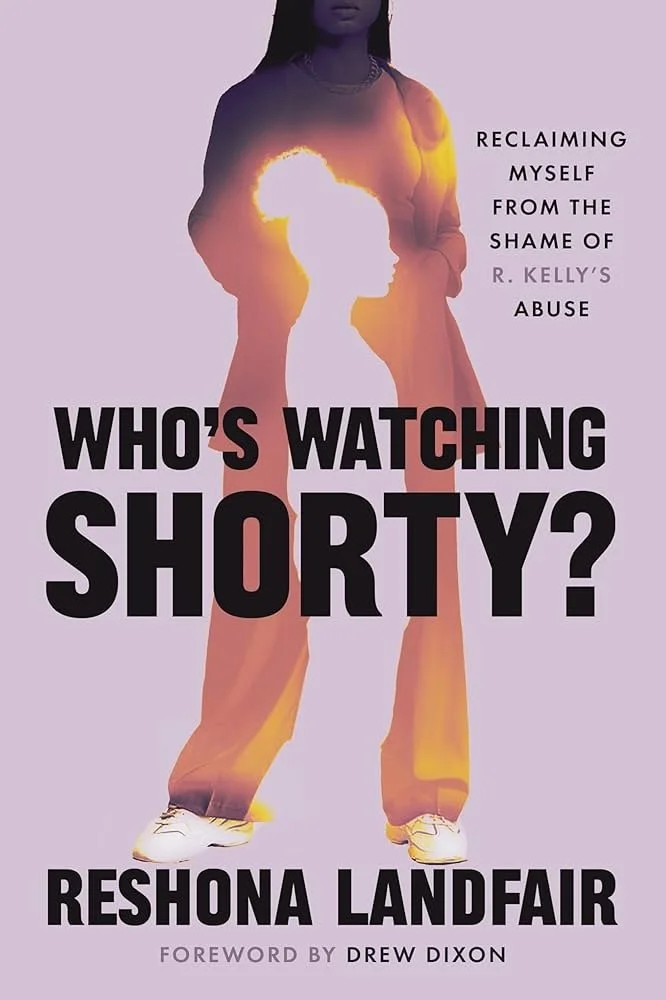
"Who’s Watching Shorty?: Reclaiming Myself from the Shame of R. Kelly’s Abuse," The book details her decade-long relationship with Kelly, which began when she was just 12 years old.
In Reshsona Landfair’s new book, Who's Watching Shorty: Reclaiming Myself from the Shame of R'. Kelly’s Abuse. Her experience is framed against the backdrop of Kelly's well-documented history of sexual misconduct, which has culminated in multiple convictions and ongoing legal battles. In an exclusive interview, she recounted the events leading up to that fateful encounter, her initial excitement as a young girl meeting a musical icon, and the disillusionment that followed. “I was just a kid. I idolized him,” Landfair stated, her voice shaking as she reflected on the emotional turmoil that still lingers nearly a decade later. “I never thought someone I looked up to could hurt me.”
The context of Landfair's story is crucial to understanding the systemic failures that allowed such abuses to persist. R. Kelly was a celebrated artist during the late '90s and early 2000s, amassing an impressive catalog of hits that resonated with millions. However, behind the music was a narrative tainted by allegations of manipulation and exploitation of vulnerable young women. Kelly’s pattern of behavior, which included the alleged grooming of minors, has become a focal point for advocates fighting for justice.
Landfair's decision to speak out has empowered her. “I felt compelled to finally say something after seeing so many others come forward,” she said. “It’s time we stop protecting predators in our communities, especially ones who are glorified by society.” Her statement echoes a sentiment shared by many survivors who feel that the music industry has historically overlooked the voices of victims.
In an investigative effort to bring balance to this story, various experts provided insights on the ongoing case against Kelly. Dr. Angela Torres, a psychologist specializing in trauma recovery, explained, “Victims often feel isolated and confused, especially when the perpetrator holds power. It’s essential that we listen to them and offer support rather than scrutiny.” She emphasized the need for societal change in how such cases are handled, advocating for a comprehensive approach to protect children and hold offenders accountable.
Furthermore, the legal landscape surrounding Kelly is complex. Legal analyst Mark Bennett commented, “While Kelly has been tried and convicted, the implications of these cases extend far beyond the courtroom. They touch on issues of cultural accountability and the need for better protective measures for young artists across the industry.”
Despite the serious nature of her claims, Landfair expressed a sense of hope. “I believe that by sharing my story, I can inspire others to do the same. It’s about reclaiming our narratives and fighting for justice,” she stated passionately.
As her story draws attention, many are left to ponder the broader ramifications. Landfair's testimony is not just an isolated account of abuse; it exemplifies the collective struggle of countless individuals who have suffered in silence. This moment invites critical reflection on how society can better support survivors and dismantle the institutional barriers that perpetuate silence.
Reshona Landfair's courageous decision to share her experience is a vital contribution to the ongoing discourse surrounding R. Kelly and the protection of vulnerable individuals within the entertainment industry. This revealing narrative invites us to confront uncomfortable truths and prompts a necessary evaluation of the systems that have historically enabled such predation.
As conversations about consent, accountability, and support for survivors continue to evolve, Landfair’s voice serves as a powerful reminder that it is never too late to seek justice, and that every story matters. ++